April 2026 marks a major milestone in the history of Salford—one hundred years since it was officially granted city status by Royal Charter from King George V.
As the city prepares to mark the centenary through its Salford 100 celebrations, it’s a moment to reflect not just on civic pride, but on the forces that shaped the city itself. Just across the River Irwell, the site of today’s Science and Industry Museum tells a story that is deeply intertwined with Salford’s transformation from a growing industrial town into a globally connected city.
Located on the Manchester/Salford border and connected by Prince’s Bridge, the museum occupies a site that has long linked the two places. But the connection is more than just geographic. The museum stands on the former terminus of the Liverpool and Manchester Railway (L&MR). Together with a network of canals, this infrastructure helped bind Salford into regional, national and global networks of trade and ideas. The story of this site is, in many ways, the story of how Salford, like its neighbour Manchester, started down the tracks to becoming a city.
Connecting Salford and Manchester to each other and the world
Before either Salford or Manchester was granted city status, the area around the Science and Industry Museum was already a hub of connection and transformation. With the opening of the L&MR in 1830, it became an international symbol of a new industrial age.
The L&MR was the world’s first steam-powered inter-urban railway designed to carry both passengers and goods, it marked a turning point in the futures of both Salford and Manchester, triggering a revolution in trade, travel, technology and time. Its Manchester terminus, Liverpool Road Station, is now home to the Science and Industry Museum, today alive with innovative discoveries in science and technology.
Despite the name, the Liverpool and Manchester Railway is also a Salford story. The railway ran directly through the town, and early plans even proposed that the line would terminate there, before later being revised to cross the River Irwell. From the beginning, Salford was not on the margins of this development, it was part of its foundation.
Engineering this groundbreaking route through Salford required remarkable innovation, particularly in Chat Moss, a four-mile stretch of bog that ’no engineer in his senses would go through’ (Francis Giles, 1825). George Stephenson, a mechanical engineer later known as the ‘Father of the Railways’, ignored the opinions of his peers and devised a way to ‘float’ the railway across it. Workers cut drainage ditches, then sank layers of woven wooden panels into the soft ground. This made the land firm enough to lay the tracks on. This was an extraordinary feat of ingenuity that helped cement the region, and Salford’s, reputation as a pioneer of modern engineering.
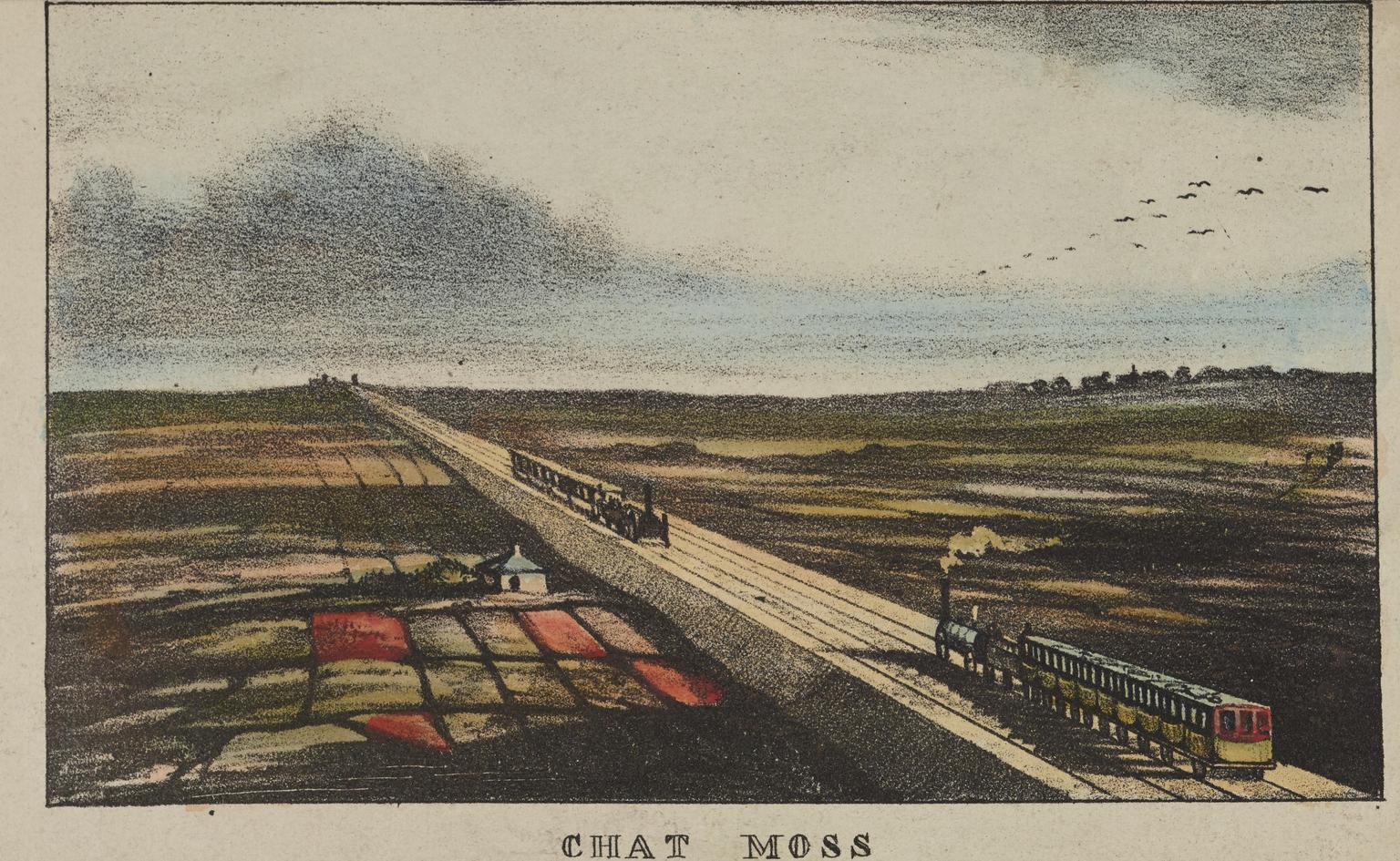
Science Museum Group Collection © The Board of Trustees of the Science Museum
Stephenson and his team also built 63 bridges across Lancashire’s valleys, including a major bridge over the River Irwell, strengthening the physical bonds between Salford and Manchester by connecting them in a new way, and allowing for trains to pass into the Liverpool Road Station.
The adoption of railways as a means of transporting goods and people sparked further advancements, both in technology and everyday life, and Salford continued to play its part in the innovations. Locomotive engineer, Edward Bury, was born in Salford in 1794. He supplied many of the first engines used on the Liverpool and Manchester and later the London and Birmingham railways. His steam locomotive and tender, No 3, ‘Coppernob’ is on display at the Science and Industry Museum’s sister site, the National Railway Museum.
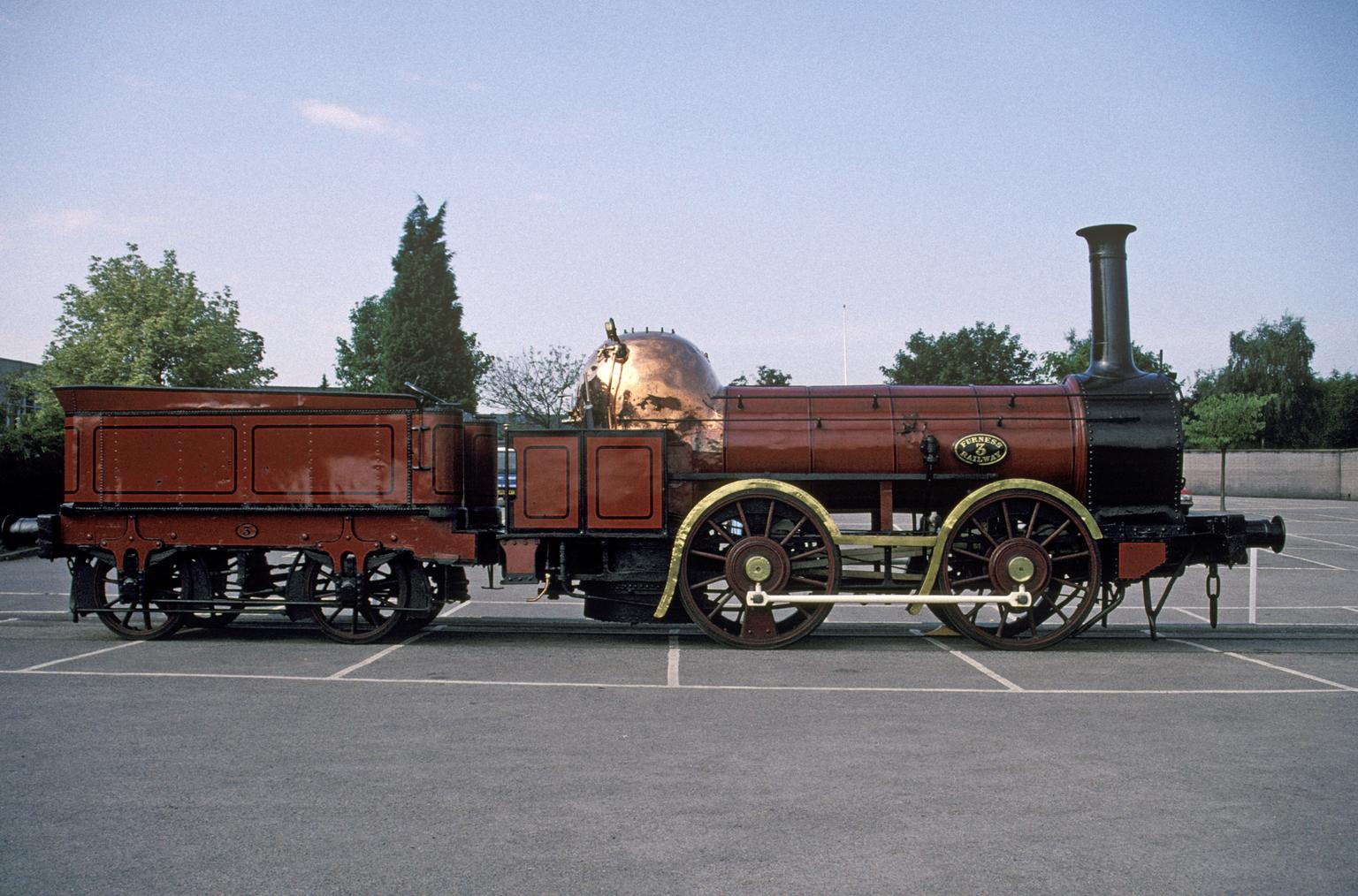
Science Museum Group Collection © The Board of Trustees of the Science Museum
The railways also sparked a revolution in time. In the 1830s, clocks were set to local solar time using a sundial, so the first railway timetables had to allow for local time variations, which could differ by as much as 20 minutes. By 1880, Greenwich Mean Time had been adopted nationwide. Publisher George Bradshaw, also from Salford, played a key role in this shift through his widely used railway timetables, helping to create a more time-conscious society. The monthly ‘Bradshaw’s Railway Time Table’ was published until 1961. The Science and Industry Museum holds a first edition in its collection, first issued in 1839.
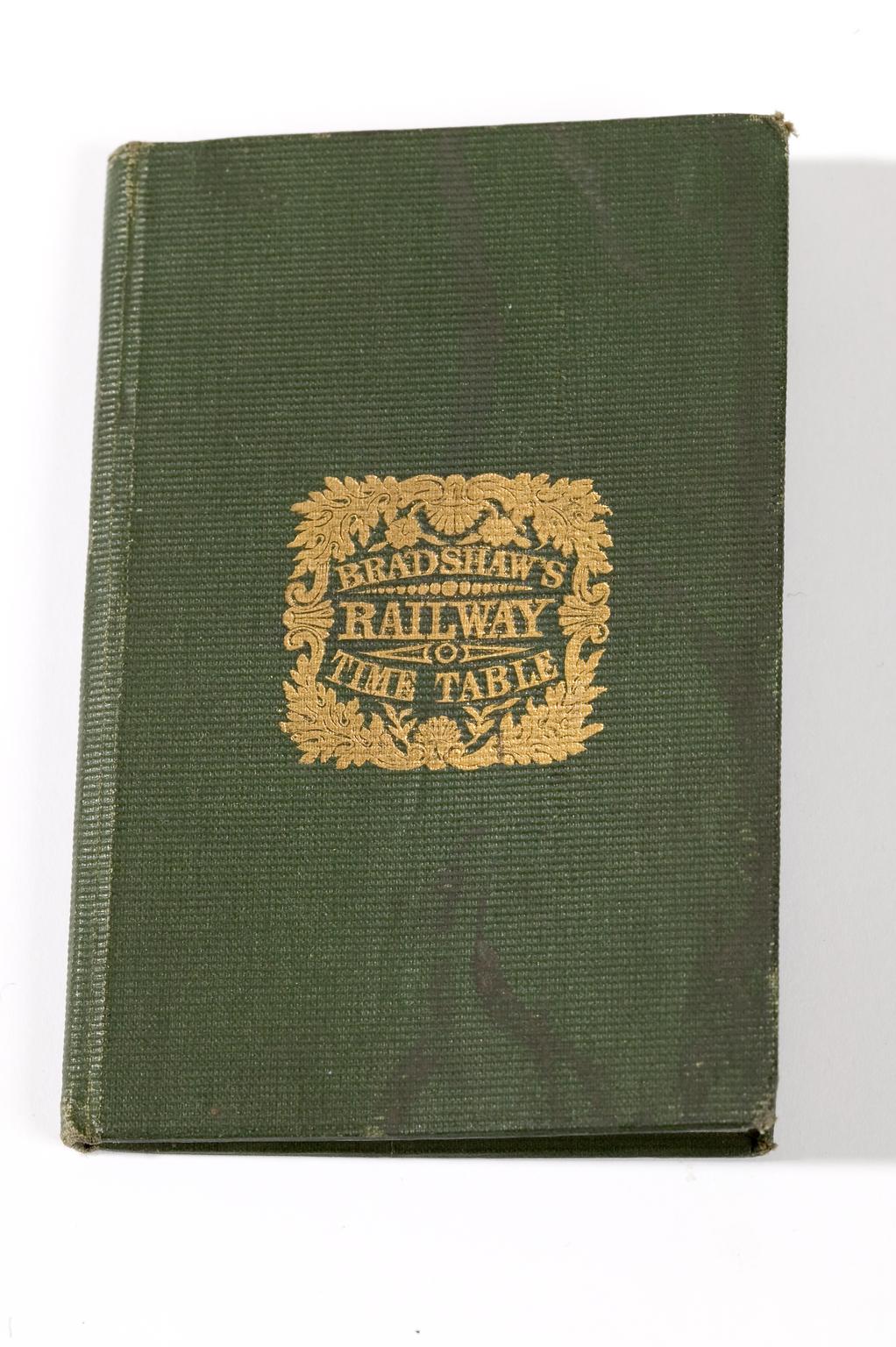
Science Museum Group Collection © The Board of Trustees of the Science Museum
Fuelling industry, growth and revolution
Textiles had been fuelling Salford and Manchester’s advancement since the mid-18th century, prior to the Industrial Revolution.
The introduction of technology that mechanised cotton mills marked a shift from domestic production to factory-based industry. This was based on technology developed by Richard Arkwright. The Arkwright Water Frame transformed the way people work and enabled mills to meet the ever-growing demand for cotton cloth through mass production. Instead of spinning at home, people now worked long, repetitive and exhausting days in the mills, looking after these water-powered spinning machines that ran day and night. An early example of a Water Frame is on display in the museum’s Textiles Gallery.
Geography played a role in how this transformation affected both towns. Manchester’s location along a faster-flowing part of the River Irwell, combined with its more accessible terrain, saw many new mills open on the south of the Irwell. Salford is located on a more meandering area of the river, but the town continued to adapt and remained a vital industrial centre, with its own mills, warehouses and workforce supporting the region’s rapid growth.
By the early 19th century, steam was taking over as the most effective source of industrial energy. When the L&MR opened in 1830, it quickly became a gateway through which goods, people and ideas flowed at an unprecedented speed. This new connectivity further accelerated industrialisation. Larger quantities of cotton were transported faster from the ports of Liverpool to the mills across Greater Manchester, where they were processed into cloth and exported back out for sale across the globe. Salford continued to be central to the Industrial Revolution, thriving with mills, cotton warehouses and a growing workforce, but the centre of activity shifted south of the Irwell, with more businesses opting to build their mills closer to the supply of raw material and the key transport links provided by Liverpool Road Station.
Salford’s growth, like Manchester’s, did come at a cost. Innovation and profits went hand in hand with exploitation, on a local and a global scale. Its advancement was heavily reliant on the transatlantic slave trade, and on the exploitation of millions of enslaved African people who were forced to grow the cotton that supplied the mills. The wealth generated through this system underpinned industrial expansion in both places. An example of this is the textiles firm, Langworthy Brothers and Co. They traded in Manchester from the early 1820s into the 1960s, and had a huge manufacturing complex on the banks of the River Irwell in the Greengate area of Salford. One of its founders, Edward Langworthy, was an MP for Salford and the city’s Langworthy area is named after him.
Rapid urbanisation and an insatiable demand for labour saw Salford’s population grow by over 200,000 between the start and end of the 1800s. But low-quality housing, overcrowding and widespread poverty meant that conditions for many of its working class were dire. Again, the exploitation of workers supported a system of industrial expansion, and an unfair distribution of wealth hugely influenced the ways in which communities grew and developed.
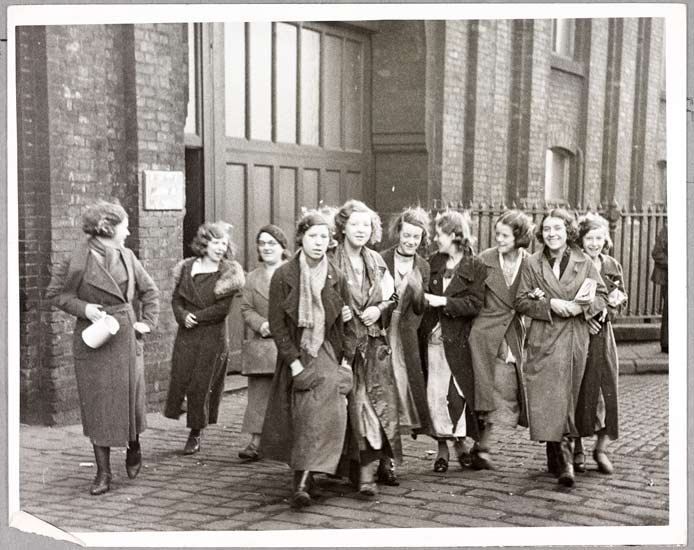
Daily Herald Archive/Science Museum Group/SSPL © Mirrorpix
Salford becomes a city
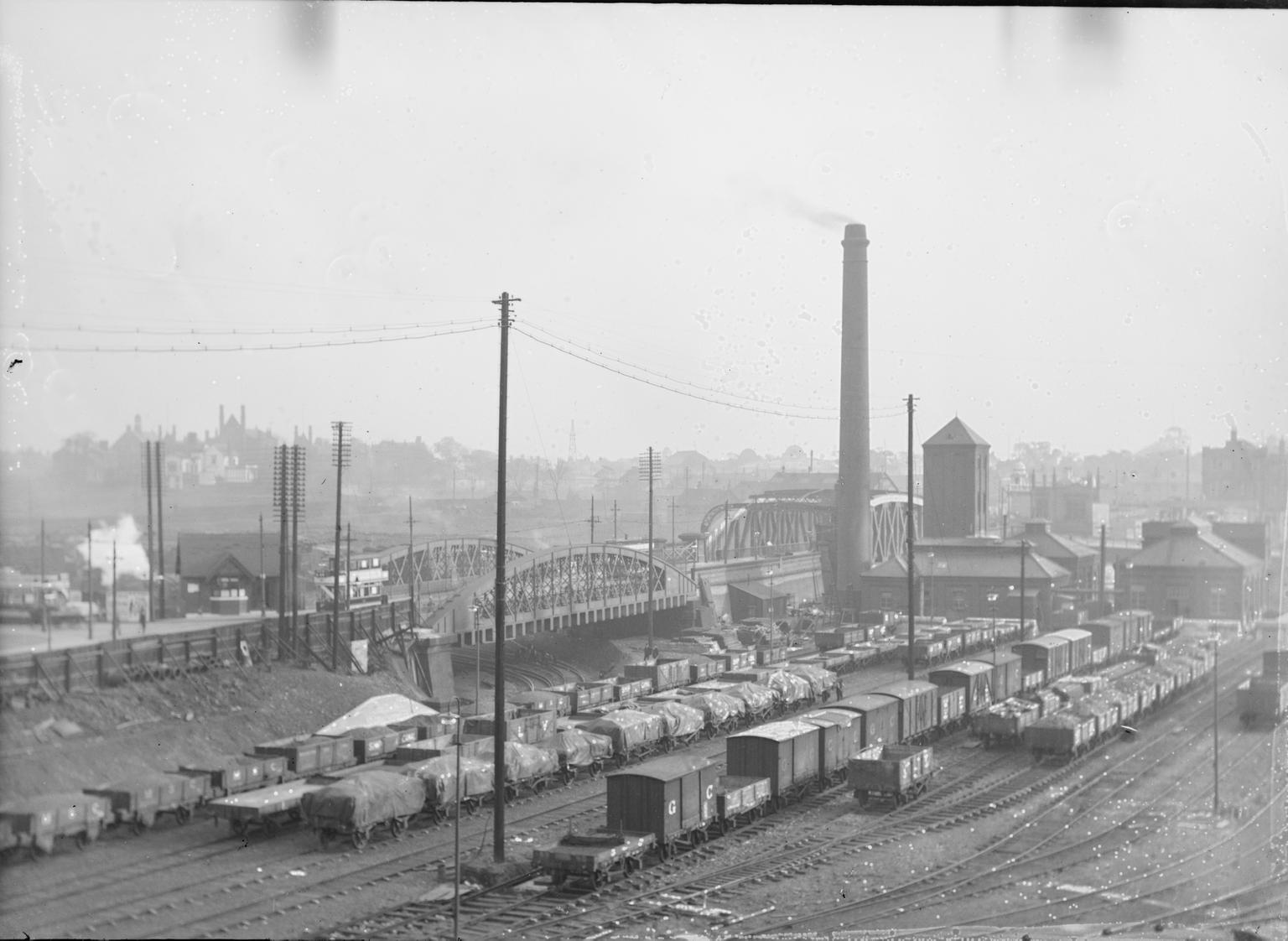
Salford officially became a city on 21 April 1926. By this time, Liverpool Road Station had been long closed to passengers but continued as a freight depot, while the creation of Salford Docks on the Manchester Ship Canal in 1894 made Salford a major inland port. This area later became what we currently known as Salford Quays, a media and creative hub, inspired by its industrial predecessors. It is an example of Salford’s continuous ability to adapt to changing economic landscapes.
Science Museum Group Collection © The Board of Trustees of the Science Museum
City status was a result of persisted evolution, but Salford’s story is inseparable from the networks of industry, innovation and connection that shaped it, many of which were established or strengthened by Liverpool Road. It bonded Salford and Manchester with the rest of the world and set them both on the tracks to becoming cities.
At the Science and Industry Museum, that story is not just found in its galleries, but in the fabric of the site itself. The building visitors explore today stand as a powerful reminder of how local histories connect to global change.