It was the first step in a long journey that brought computers into our daily lives.
Science Museum Group / Fujitsu
In 1948, scientists at the University of Manchester built ‘Baby’, the world’s first stored program computer. You can see the full-scale replica of the original Baby on display at the museum. Baby was an untidy assembly of spare parts and jumbled electrical wires never designed for everyday use, but it was the blueprint for our computers today. Not only could it perform hundreds of calculations a second, but it could be used for all manner of things, simply by changing the program in the memory. Baby was just an experiment, but with scientists and engineers spending so much time doing complex calculations by hand, there were many people who could benefit from using a high-speed computing machine that could do all sorts of different calculations.
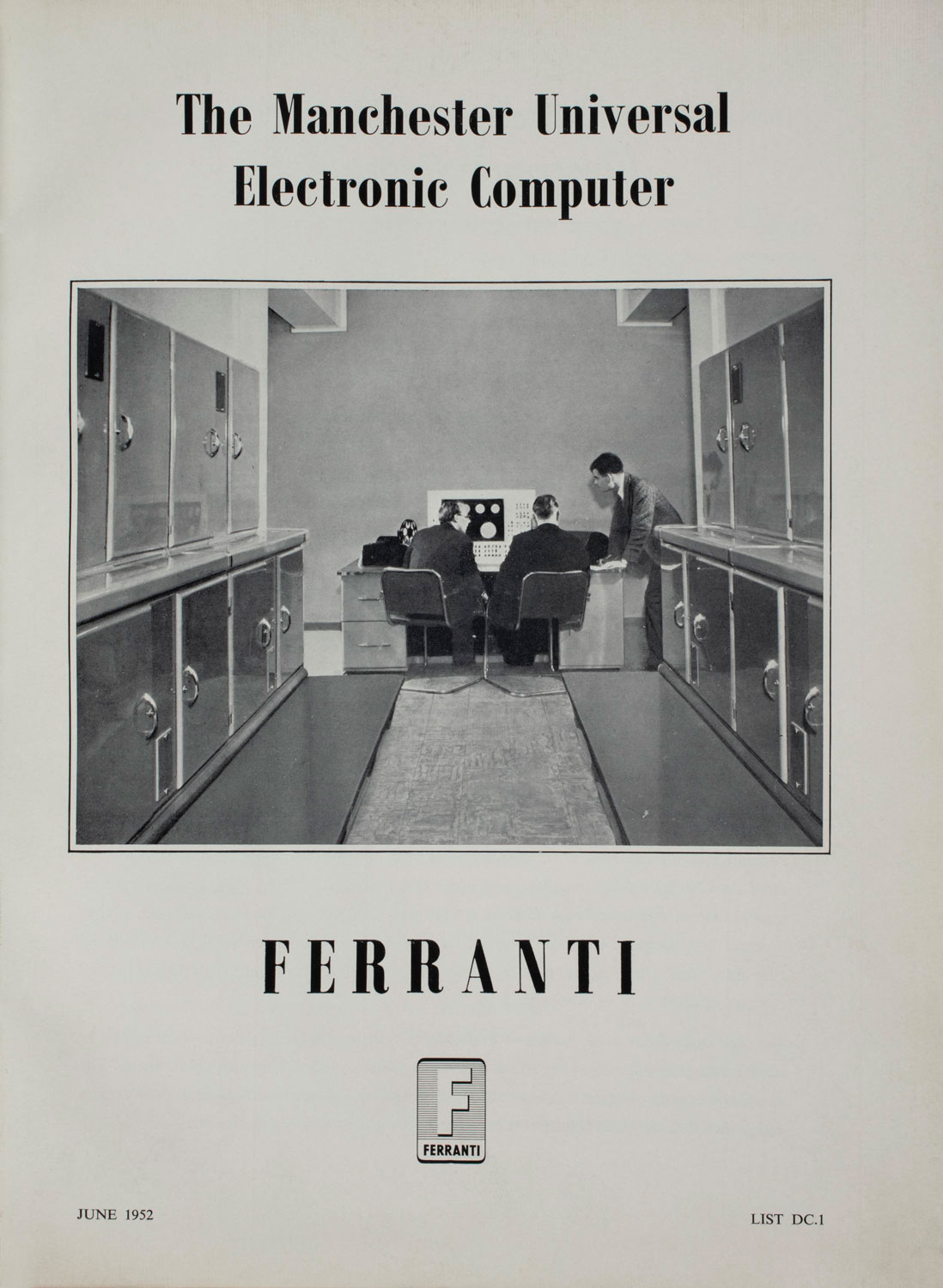
‘It is the first machine of this type to be built by an engineering firm and to be commercially available.’
– Ferranti Mark 1 brochure, 1952
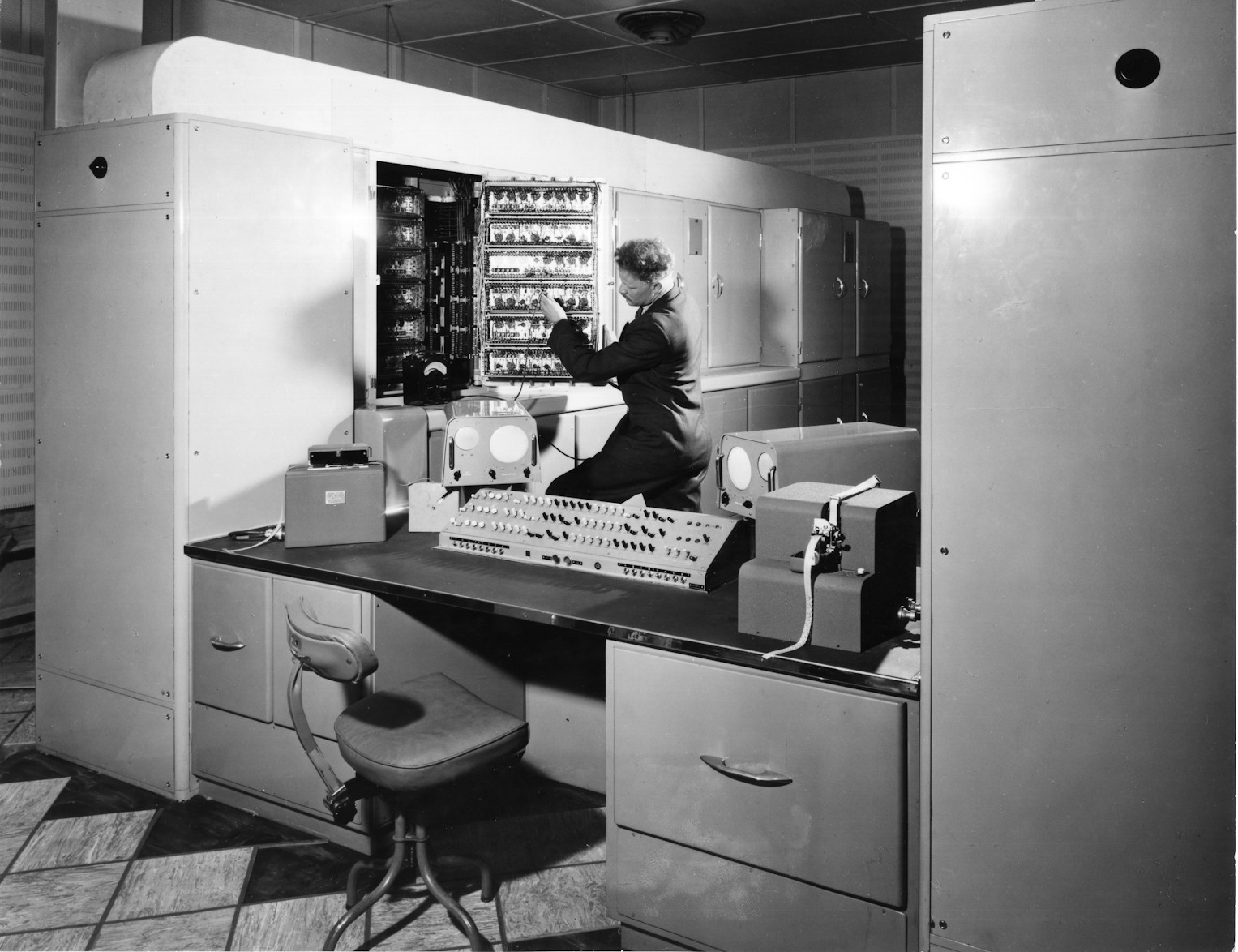
Within a few months, Baby was upgraded into a more powerful computer and Ferranti, a major Manchester electronics firm, began turning this experiment into a product they could sell—the Ferranti Mark 1. Based in Manchester since 1896, Ferranti had its origins in Sebastian de Ferranti’s pioneering work on electricity supply. The innovative firm soon branched out into electric appliances, radio sets, radar systems, scientific instruments and more. It was an ideal company to pioneer the commercialisation of computers.
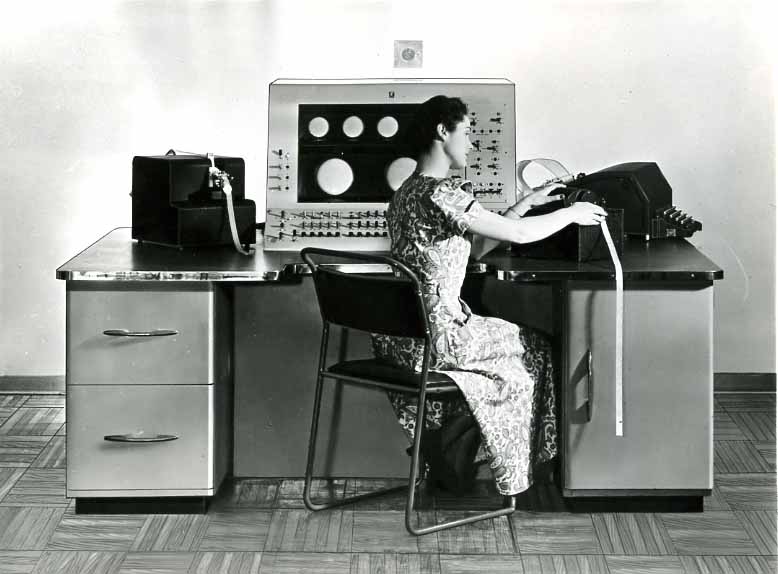
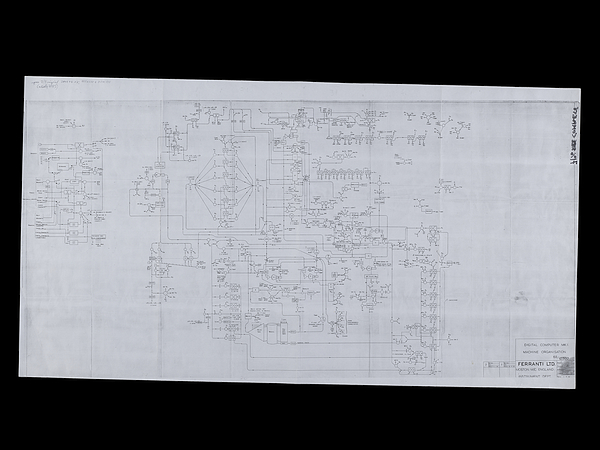
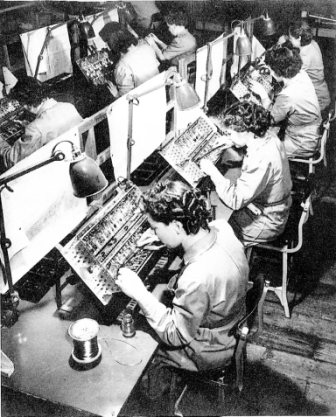
The Science and Industry Museum’s extensive Ferranti archive reveals much about how this happened. Engineers drew up formal circuit diagrams as they tidied up the computer design for production, hiding away the messy electronic parts in sleek metal cabinets. Skilled assembly workers in Ferranti’s Moston factory carefully soldered the 100,000 connections needed to build each machine.
Ferranti Mark 1 items in the Science and Industry Museum’s archive
Science Museum Group / Fujitsu
Science Museum Group / Fujitsu
Science Museum Group / Fujitsu
Science Museum Group / Fujitsu
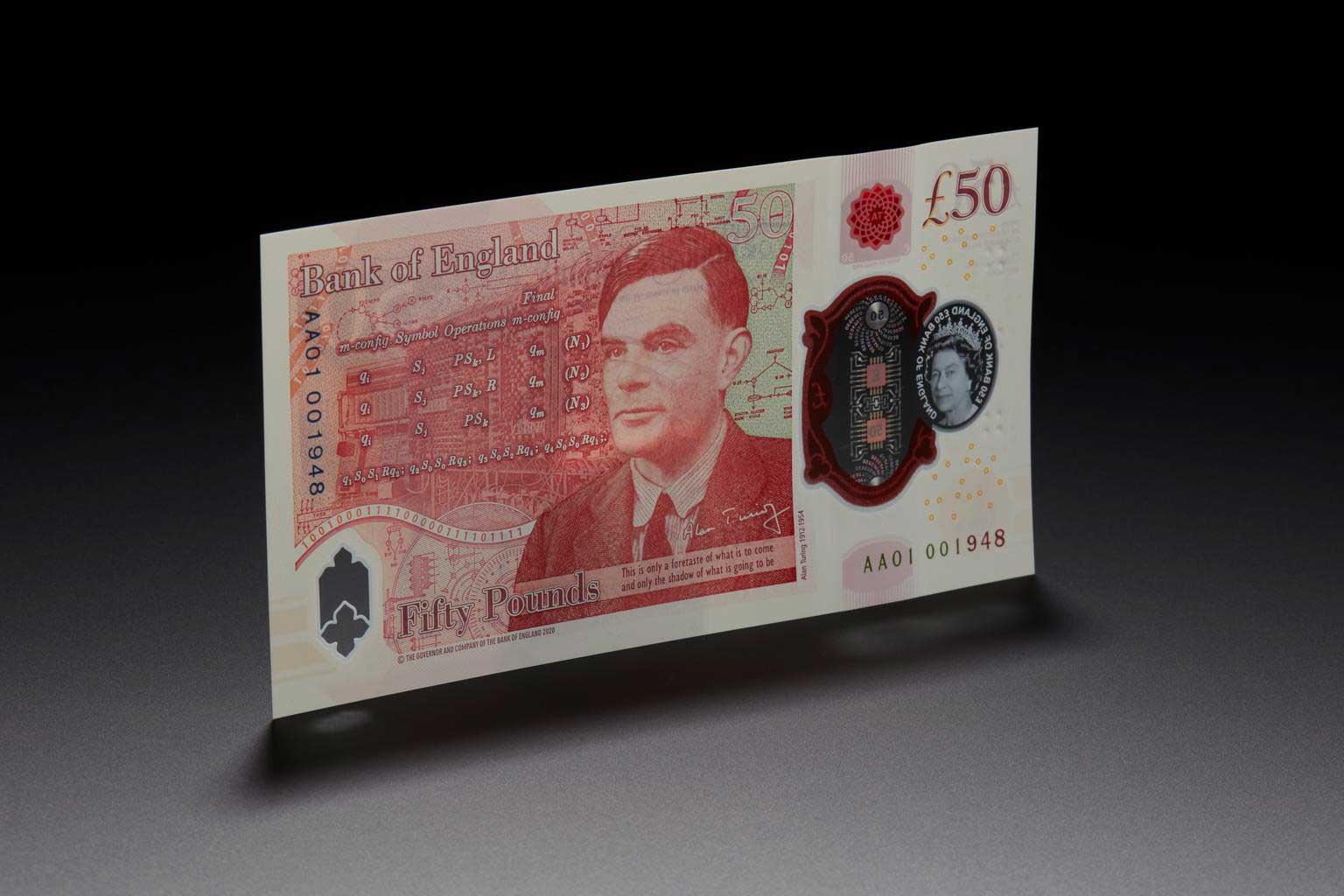
To help users, who would never have come into contact with a computer before, Ferranti recruited a programming team to develop software, half of whom were women. This was a progression from the practice of organisations employing large numbers of mathematically skilled women as ‘human computers’ to do business and scientific calculations. They also enlisted the mathematician Alan Turing to write a handbook. The very idea of a computer was so new, that the press often referred to them as ‘Electronic Brains’ and Ferranti salesmen spent much time helping customers to understand what a computer was.
Through these efforts, Ferranti turned the computer from a laboratory experiment built for a handful of scientists, into a useful technology for sale to any organisation that wanted one—and could afford the price of around £3.5 million in today’s money. The first customer was the University of Manchester, who took delivery in February 1951. In total, Ferranti sold two Mark 1’s and seven improved Mark 1* computers, mostly to universities and government establishments. A Mark 1* was sold to AVRO in Chadderton, where it was used for aircraft design. This may not sound like many, but it was the start of the British computer industry, and many things we use computers for today were pioneered on Ferranti Mark 1s.
Not only were the machines used in scientific and engineering work, but also far more light-hearted experiments. The University of Manchester’s machine ran arguably the world’s first video game, Checkers, in 1952. For Christmas, the machine hooted out Christmas carols on BBC radio. In 1953–54 the program was programmed to automatically ‘write’ love letters—not unlike the responses from today’s AI chatbots.
The Ferranti Mark 1 had a tiny fraction of the power of a modern computer, but it was remarkable for the time. The tiny main memory was about a kilobyte, stored on a cathode ray tube, like a television screen. This was backed by 80-kilobytes of slower magnetic drum memory, not unlike a modern hard–disk drive. The “Manchester Code” encoding system developed for the drum memory is still in widespread use today, embedded in everything from television remote controls to NASA’s Voyager space craft.
Science Museum Group Collection © The Board of Trustees of the Science Museum
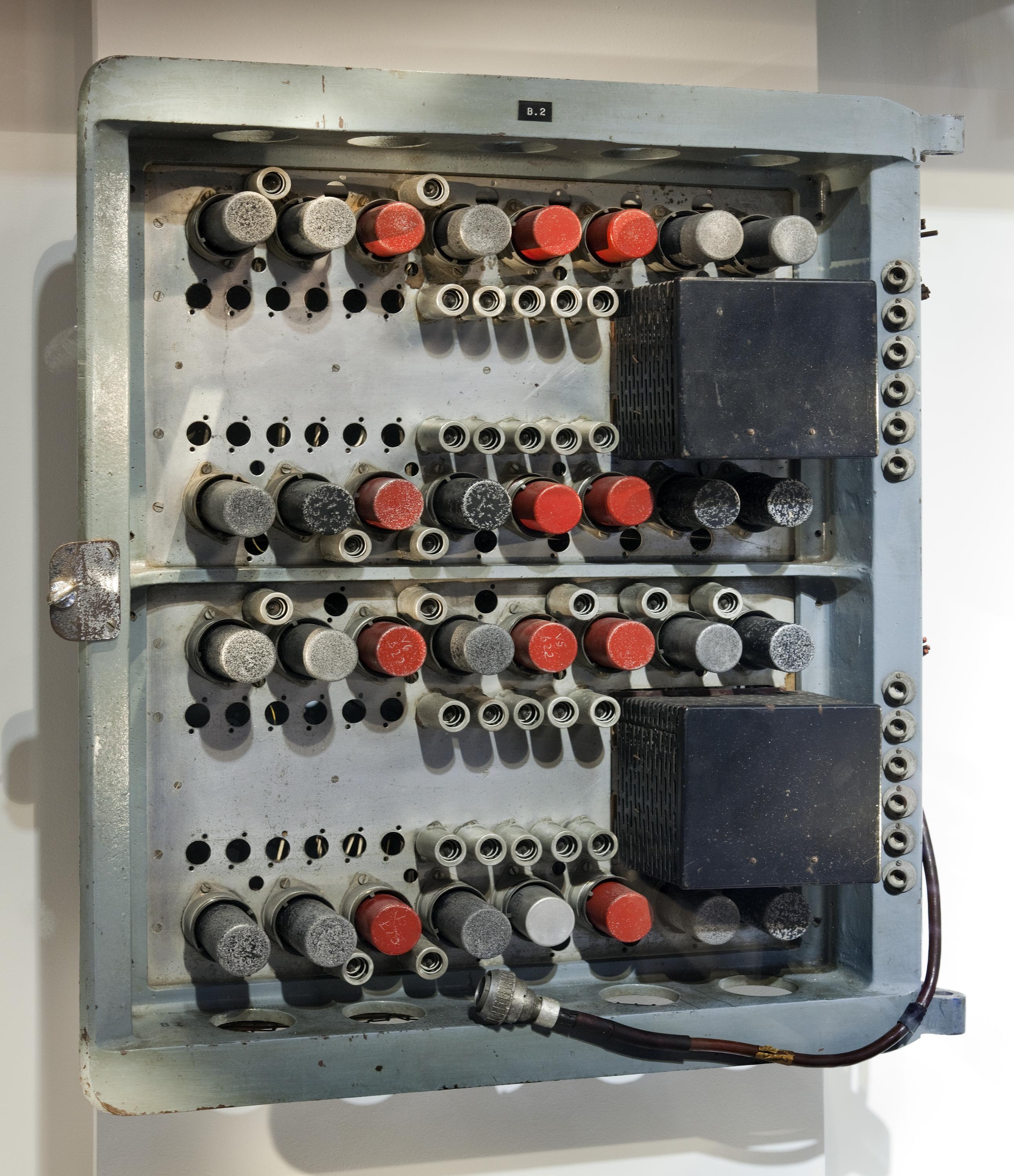
The Ferranti Mark 1 was a foretaste of the future, but with technology advancing quickly most were replaced by new computers in the 1960s. Some of the few surviving Ferranti Mark 1 pieces are in the Science and Industry Museum’s collections, including a logic door, on display in our Revolution Manchester gallery, alongside a working replica of the Manchester Baby. This part of the gallery contains new displays, including some that feature the Ferranti Mark 1, its team of pioneering women programmers, and its most famous user, Alan Turing, all celebrating the amazing history of this Manchester machine that changed the world.
Science Museum Group Collection © The Board of Trustees of the Science Museum