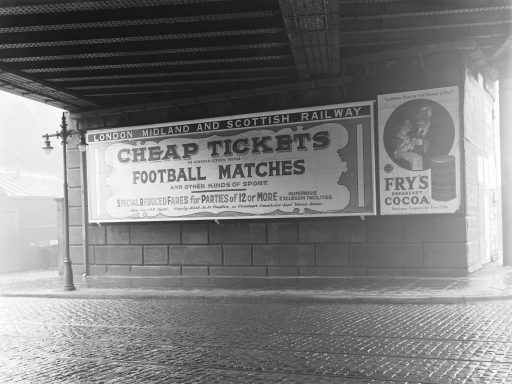
Trains changed the world in lots of ways but have you ever thought about how they changed another great Mancunian passion – football?
In this section, you’ll get a glimpse behind the scenes of the museum—from a day in the life of a volunteer and team building exercises, to the logistics of decanting our galleries or putting on a late event.
Trains changed the world in lots of ways but have you ever thought about how they changed another great Mancunian passion – football?
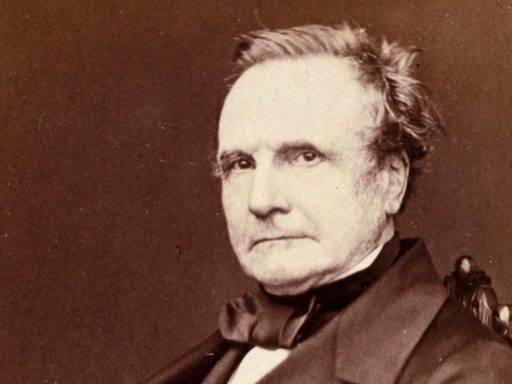
Can we create a machine to rewind time and retrieve the lost voices of the past? Computing pioneer Charles Babbage thought so.
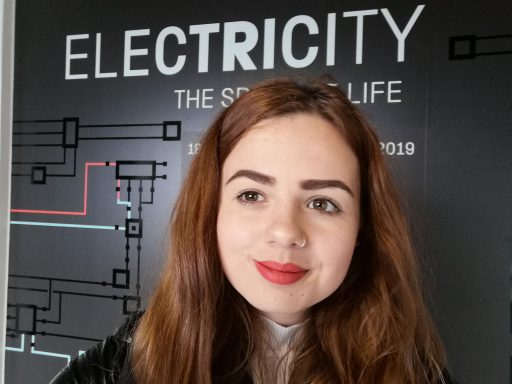
As we bid farewell to Electricity: The spark of life, Charlotte Cantwell tells us about her experience as one of our fantastic exhibition volunteers.
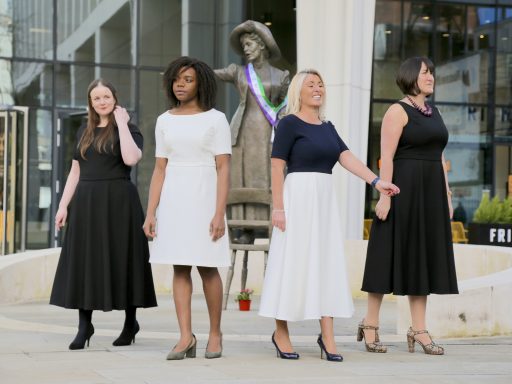
We’ve probably all felt the frustration of ordering clothes in ‘our size’ only to find they don’t fit—but can maths help?
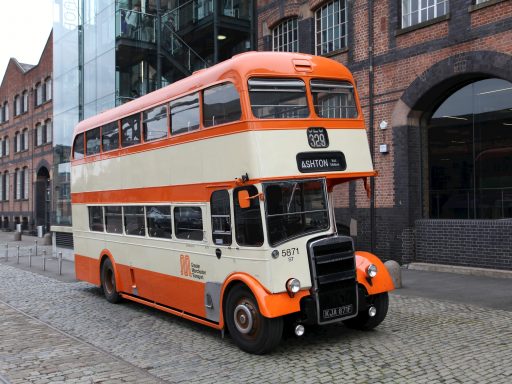
There’s heritage transport, and then there’s Stephenson’s Rocket, built to run on the world’s first inter-city passenger railway.
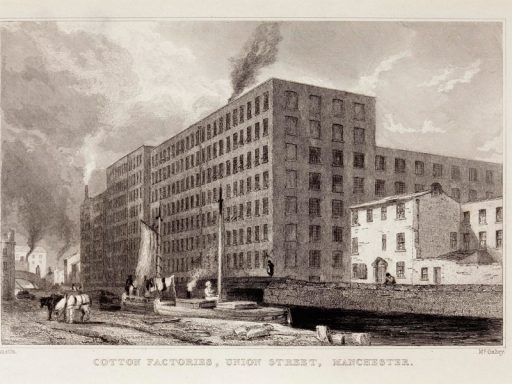
Ancoats in Manchester city centre was recently dubbed one of the hippest places in the world to live, but it hasn’t always been that way. Here, curator Katie Belshaw looks at the area’s industrial past; you know, before it was cool…
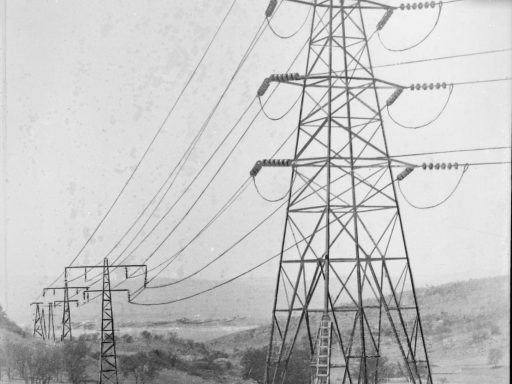
We see structures transporting electricity across the country every day. But how many of you know what they’re actually called?
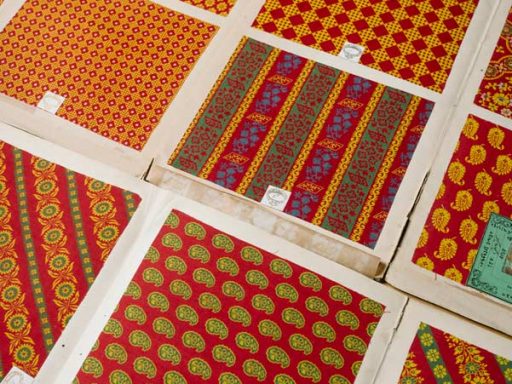
Archivist Jan Shearsmith takes us on another sneak peak into the Science and Industry Museum archives. Here, he discusses how cataloguing descriptions can never quite live up to the experience of finding an unexpected and mysterious collections gem.
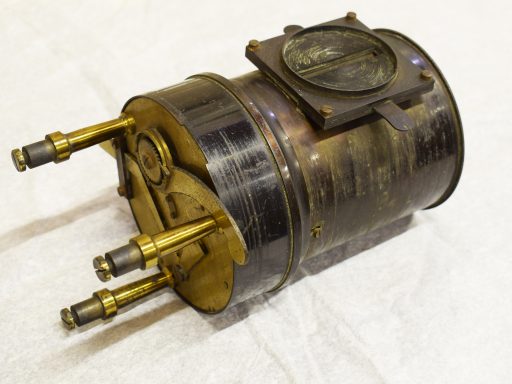
What do Sherlock Holmes, Miss Marple, Jonathan Creek and the Associate Curator at the Science and Industry Museum have in common? We all love solving a mystery.
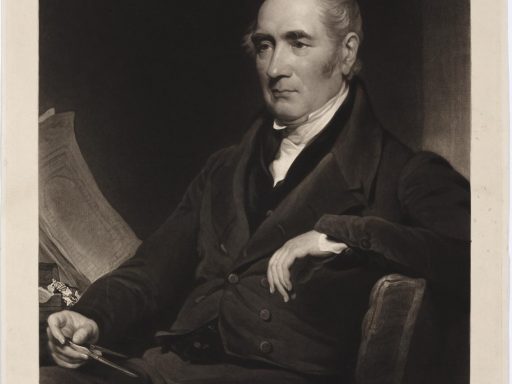
If you’ve read any of our Rocket blogs, you’ll already know that Rocket was designed by Robert Stephenson, son of engineer George Stephenson. But who exactly were they? What made them tick, and how did they rise to the heights that they did?
Here’s a question you probably haven’t been asked: in a game of museum object charades, how would you act out an ornate 19th century glass lamp shade?
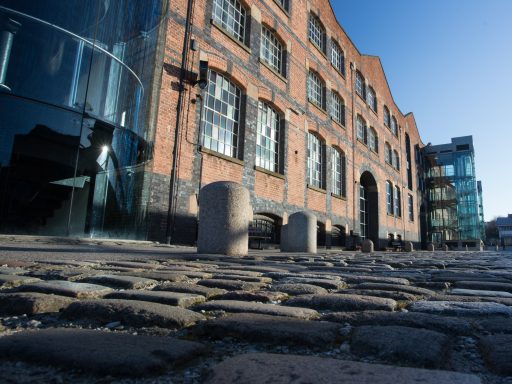
You may be surprised to learn that our ‘Great Western Warehouse’ (formerly ‘Main Building’) has been renamed ‘New Warehouse’. What’s so new about it?