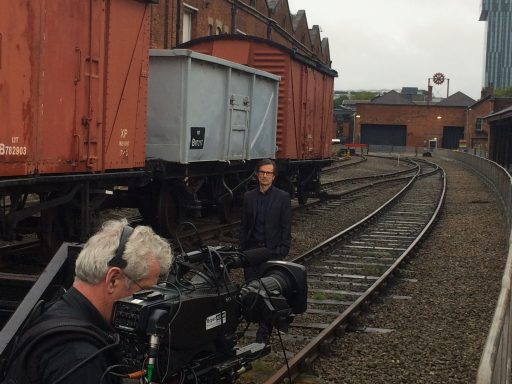
Robert Peston and his guests were under strict instructions to not eat the croissants on his desk. Exactly why were ITV’s pastries left untouched?
In this section, you’ll get a glimpse behind the scenes of the museum—from a day in the life of a volunteer and team building exercises, to the logistics of decanting our galleries or putting on a late event.
Robert Peston and his guests were under strict instructions to not eat the croissants on his desk. Exactly why were ITV’s pastries left untouched?
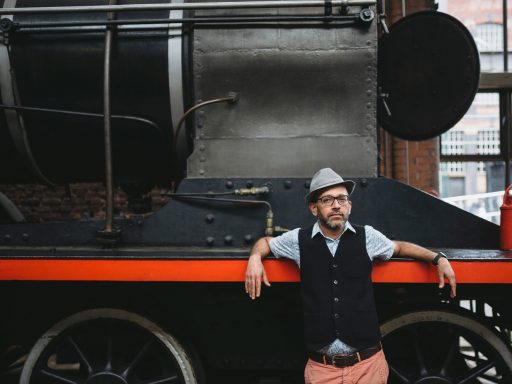
From 29 September to 1 October 2017, we welcome performance artist Nikhil Chopra to the museum. In this post, Communications Officer Kate Campbell-Payne discusses the significance of the event as well as her previous encounters with Chopra’s work.
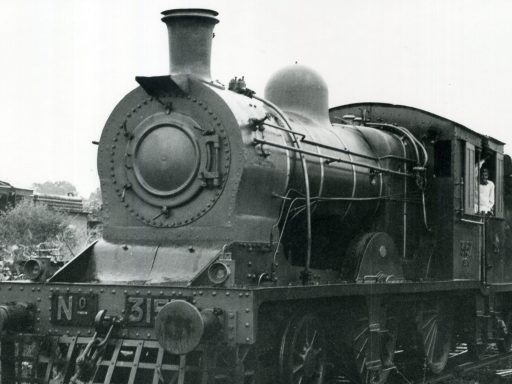
In this second part of his post about Pakistan Railways SP/S 3157, Jan Shearsmith discusses the loco’s later life and journey back from India to Manchester.
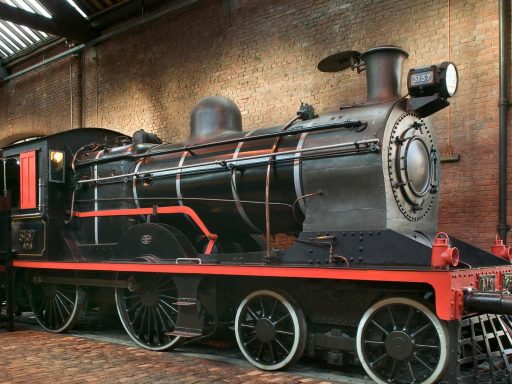
Ahead of its appearance in Nikhil Chopra’s New North and South art installation, Jan Shearsmith discusses the early life of Pakistan Railways SP/S 3157.
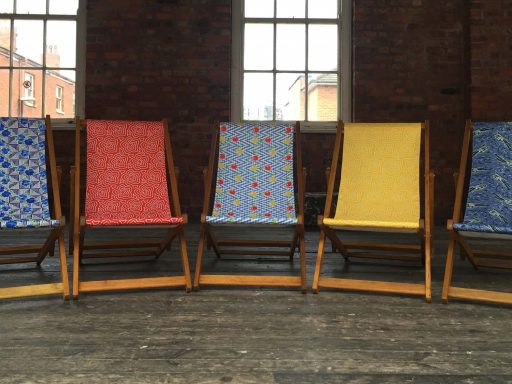
Summer is here, and what better way to enjoy the sun (when it shows up) than in our Upper Yard sat in one of our new collection-themed deckchairs?
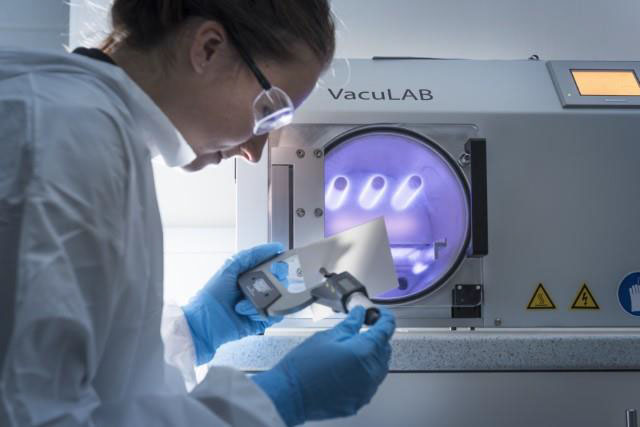
To celebrate International Women’s Day, we invited space journalist Sarah Cruddas to interview Patiya Pasakon, a researcher with our Wonder Materials sponsors Haydale, about her life as a woman working in science, technology, engineering and mathematics (STEM).
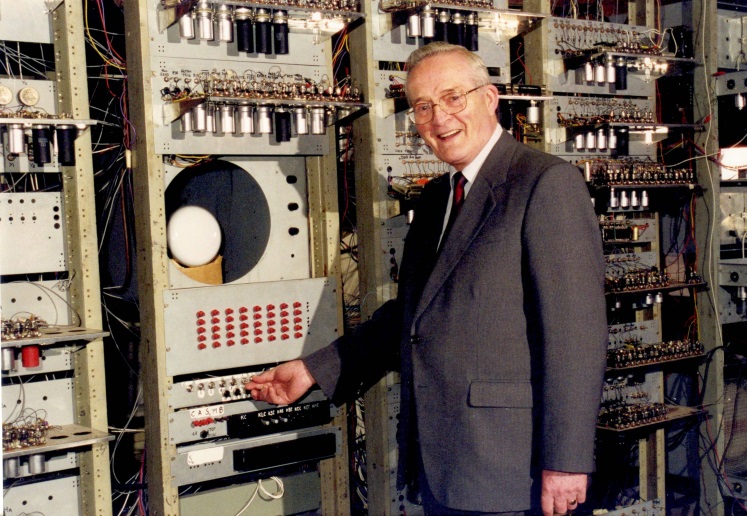
Is it the rain that binds Manchester, UK and San Francisco, USA? Or perhaps the fog? Or the amazing music scene?
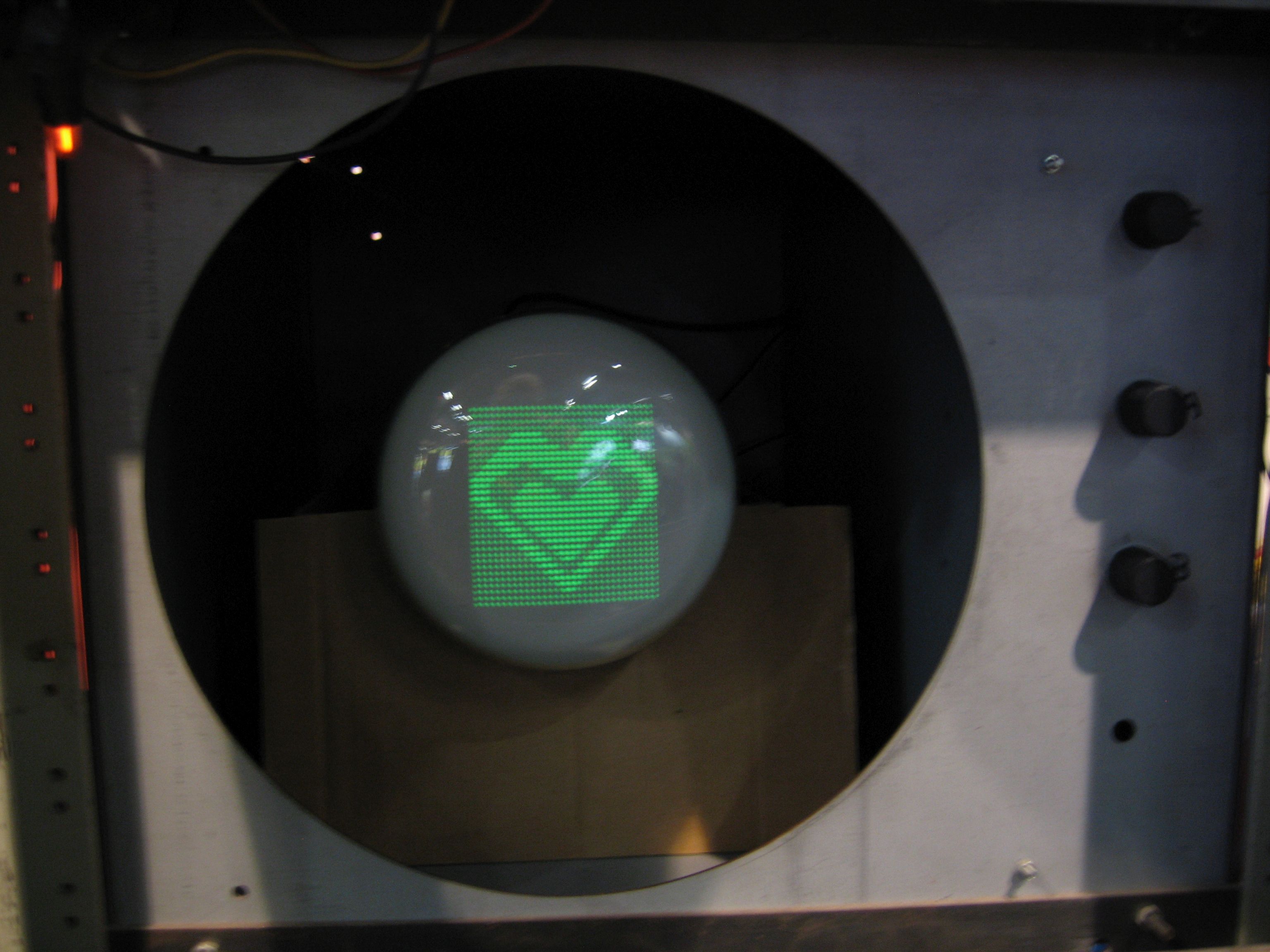
What’s love got to do with computing? Associate Curator Sarah Baines finds out, with a little help from our team of Computer Volunteers.
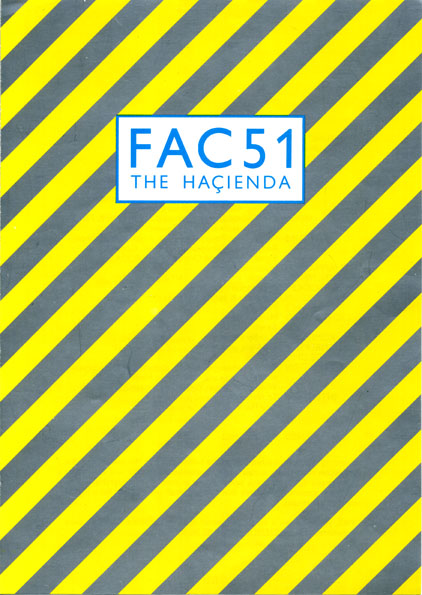
In 2016, the museum commissioned Peter Saville, a designer with strong links to Manchester, to design a range of glassware celebrating Manchester’s three rivers and the dancefloor at the Haçienda.
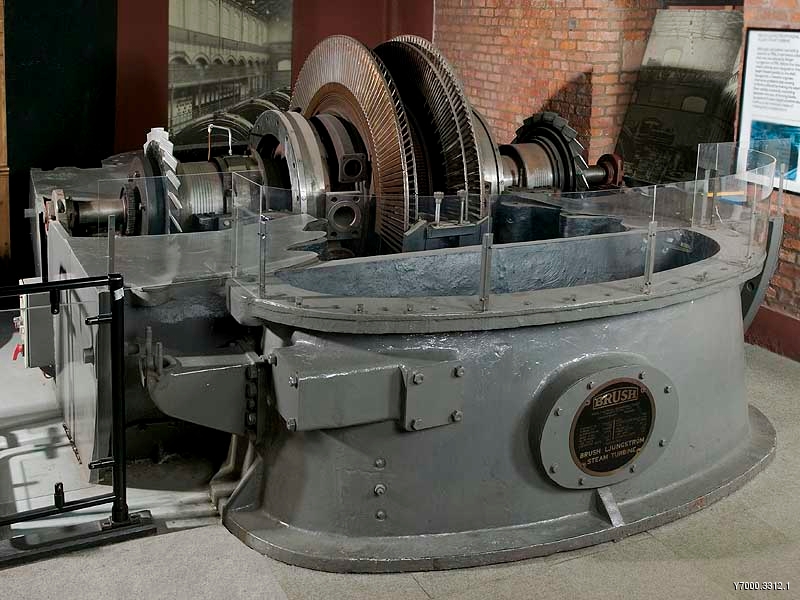
At the heart of the Museum of Science and Industry lie an exceptionally important historic site and a rich collection of objects and archives—caring for both occasionally presents challenges.
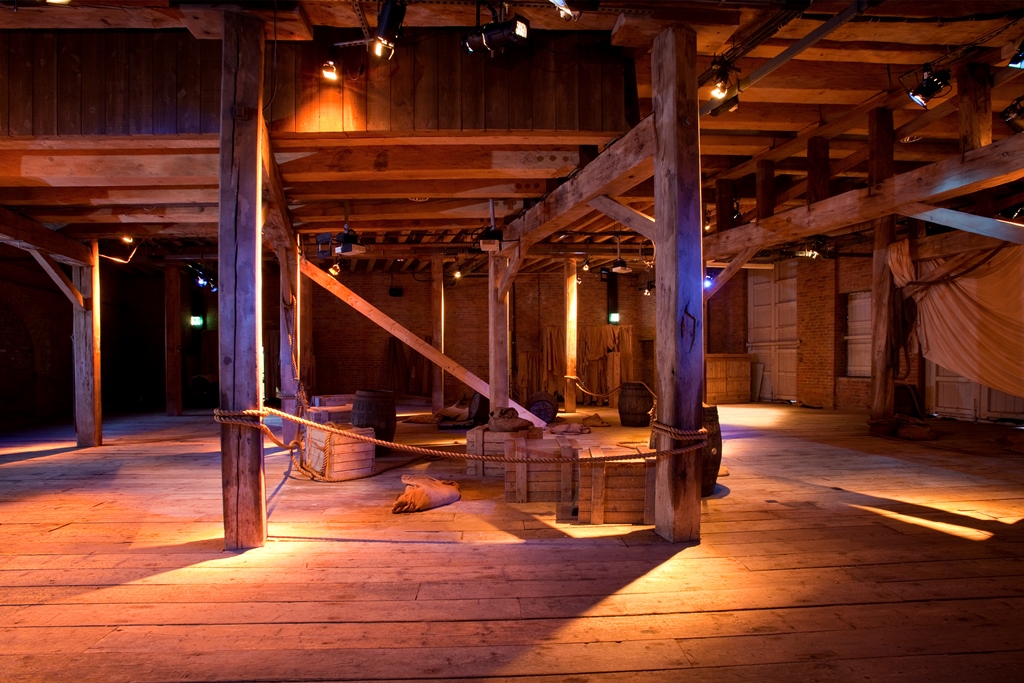
150 years ago, Liverpool Road Station (the museum’s historic site) was struck by the most catastrophic event in its history.
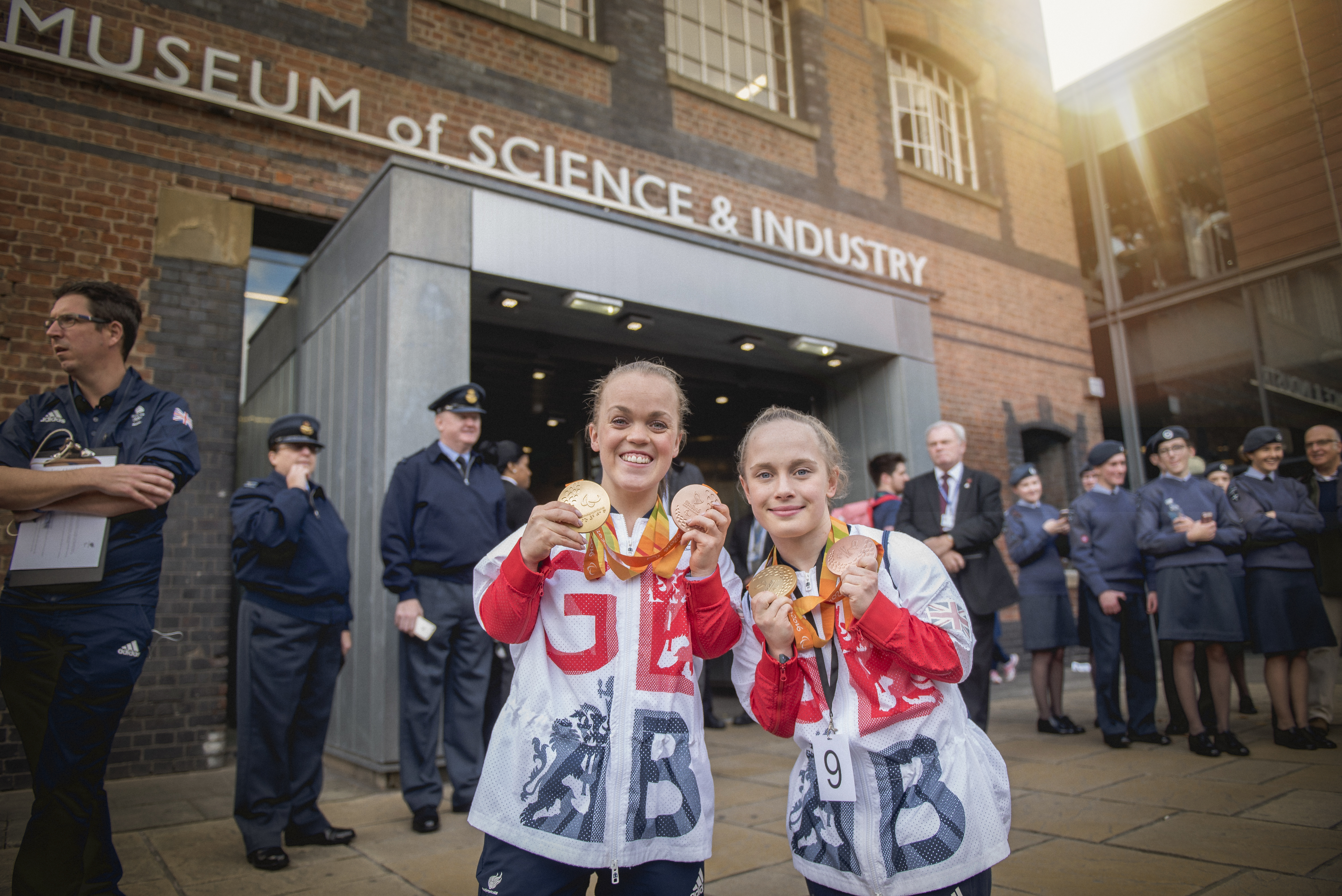
On Monday 17 October, Olympians and Paralympians from Team GB brightened Manchester in a spectacular parade that started right here at the Museum of Science and Industry.