
Did you know there’s a Hollywood star who also has a secret life as a scientist?
Did you know there’s a Hollywood star who also has a secret life as a scientist?
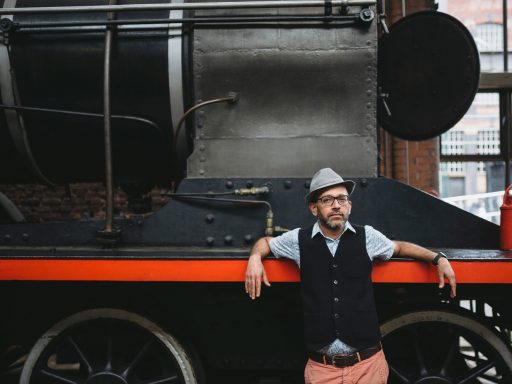
From 29 September to 1 October 2017, we welcome performance artist Nikhil Chopra to the museum. In this post, Communications Officer Kate Campbell-Payne discusses the significance of the event as well as her previous encounters with Chopra’s work.
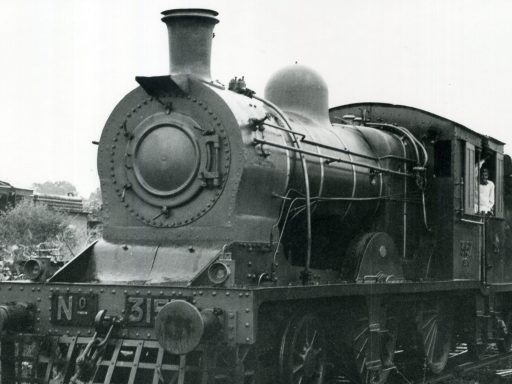
In this second part of his post about Pakistan Railways SP/S 3157, Jan Shearsmith discusses the loco’s later life and journey back from India to Manchester.
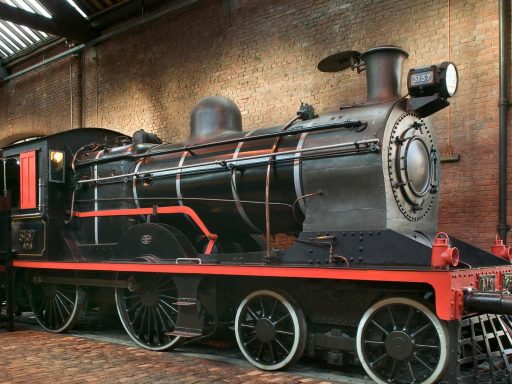
Ahead of its appearance in Nikhil Chopra’s New North and South art installation, Jan Shearsmith discusses the early life of Pakistan Railways SP/S 3157.
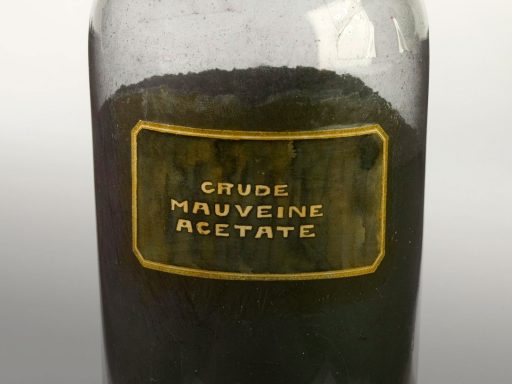
161 years ago, on 26 August 1856, the world’s first synthetic dye was patented by William Henry Perkin, whose archive is now part of our collection.
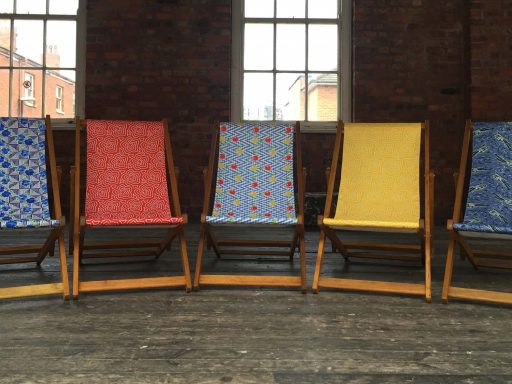
Summer is here, and what better way to enjoy the sun (when it shows up) than in our Upper Yard sat in one of our new collection-themed deckchairs?
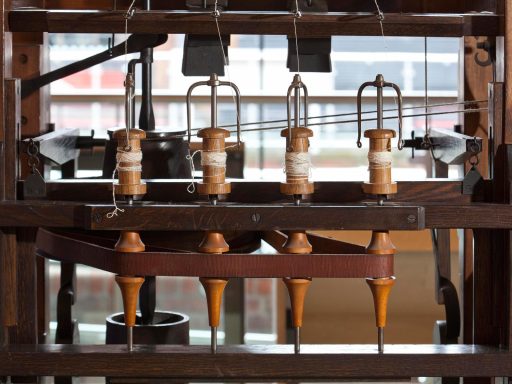
August 2017 marks 225 years since the death of Richard Arkwright. Here, we look at both his entrepreneurship and the controversy that surrounded him.
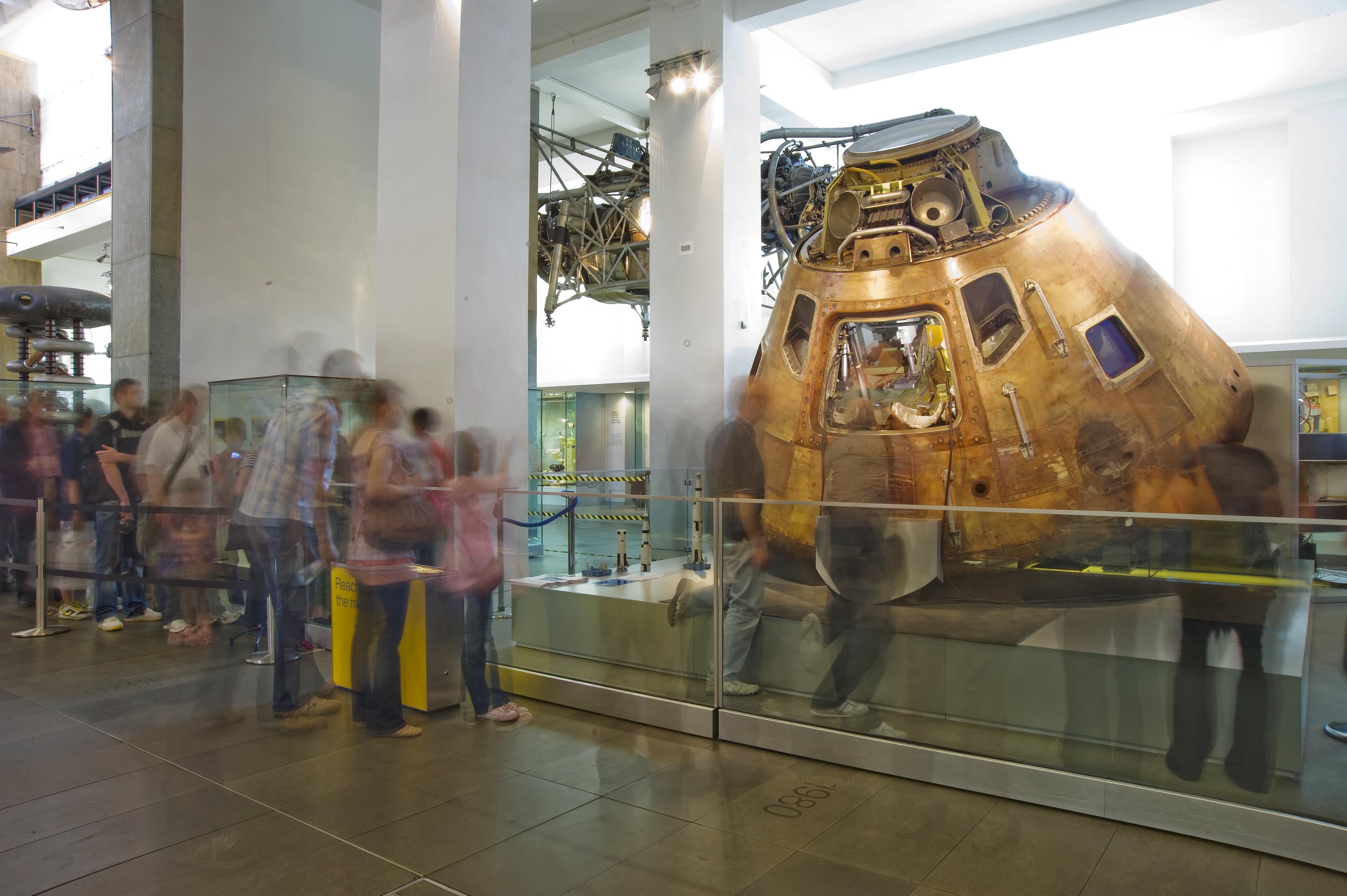
Space journalist Sarah Cruddas explores the past and future of our journeys to the stars.
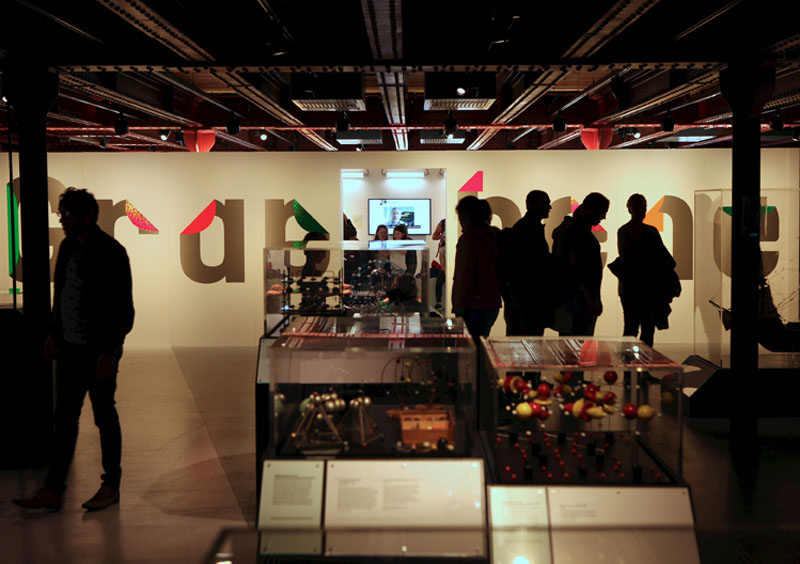
Who was John Dalton, and what part does he play in the story behind our Wonder Materials exhibition?
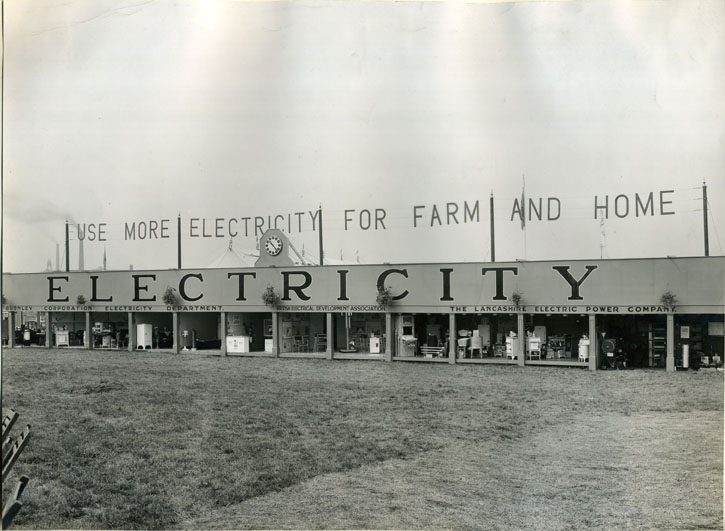
Archivist Ceri Forster reveals the electrifying story of some of the newest items in our collection.
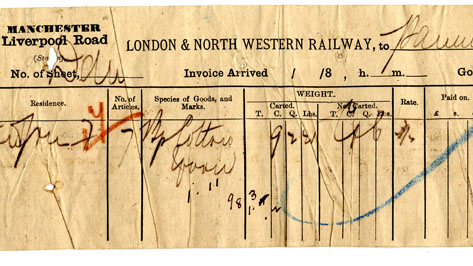
Here in the museum archive, we’re always happy to hear from people who have interesting documents to add to our collections.
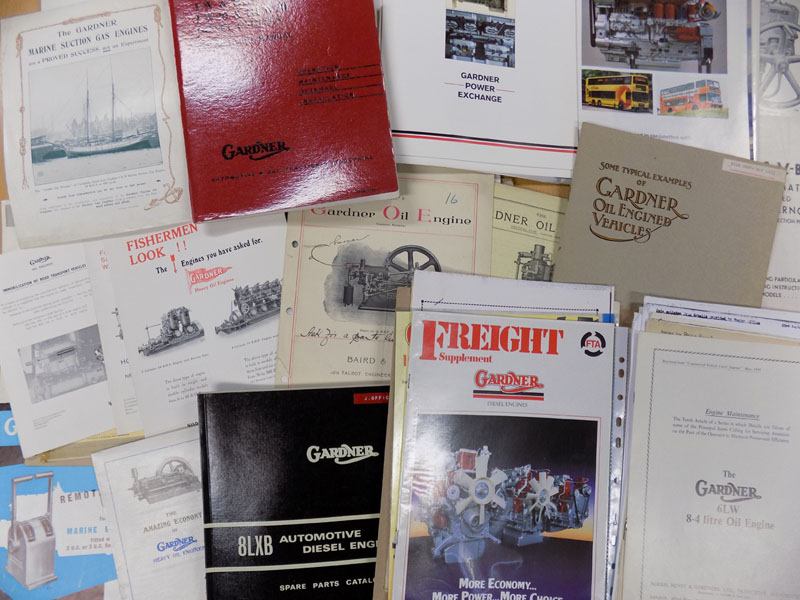
The archive team at the museum are always happy to receive donations of documents that can provide a better understanding of Manchester’s role in the industrial and scientific growth of this country and the wider world.