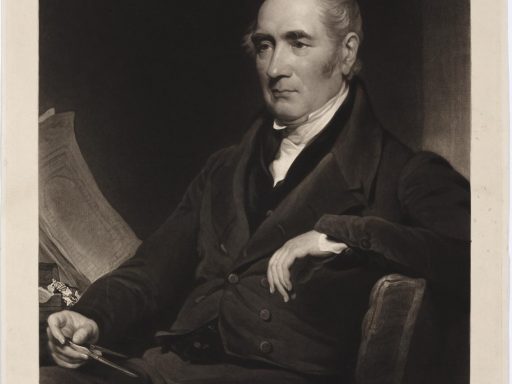
If you’ve read any of our Rocket blogs, you’ll already know that Rocket was designed by Robert Stephenson, son of engineer George Stephenson. But who exactly were they? What made them tick, and how did they rise to the heights that they did?
If you’ve read any of our Rocket blogs, you’ll already know that Rocket was designed by Robert Stephenson, son of engineer George Stephenson. But who exactly were they? What made them tick, and how did they rise to the heights that they did?
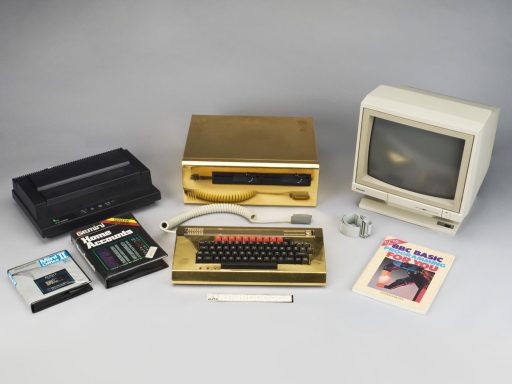
To get you into the festive mood, here’s a trip into the Science Museum Group collections to find a very random but very *us* 12 Days of Christmas…
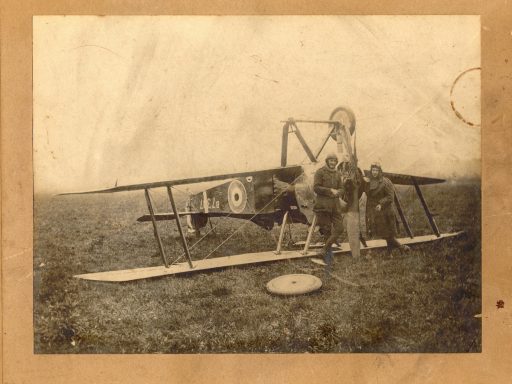
Former archivist Jan Shearsmith takes us through a collection he found in 2018 documenting the training exploits of a pilot in the early days of the RAF.
Here’s a question you probably haven’t been asked: in a game of museum object charades, how would you act out an ornate 19th century glass lamp shade?
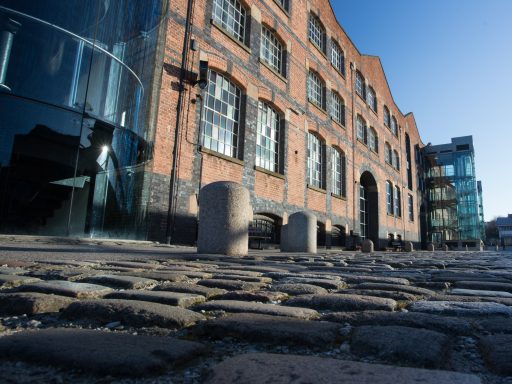
You may be surprised to learn that our ‘Great Western Warehouse’ (formerly ‘Main Building’) has been renamed ‘New Warehouse’. What’s so new about it?
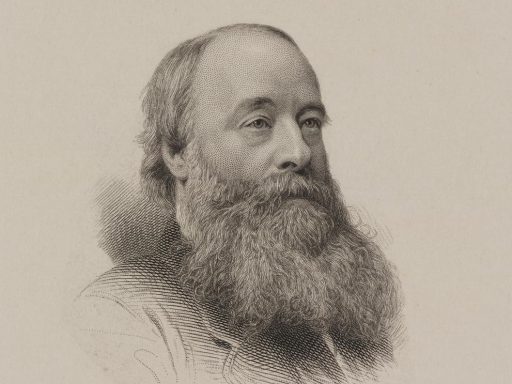
Curator of Engineering Sarah Baines takes a look at the innovative thinking of James Joule, whose ideas on heat and energy were initially thought to be so revolutionary they were rejected by the scientific establishment.
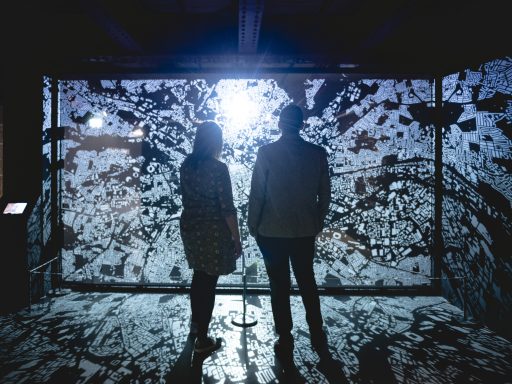
Consultant curator Paul Bonaventura talks about the thinking behind the amazing artworks that were specially commissioned for Electricity: The spark of life.
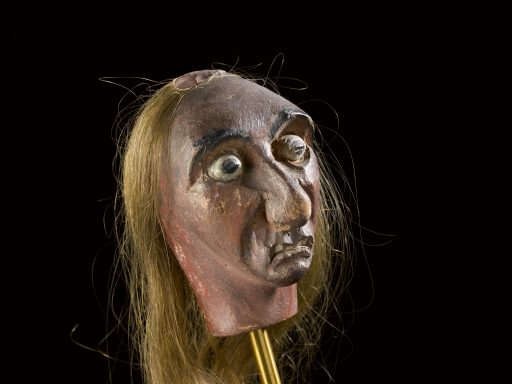
It was a dark and stormy night… We have some weird, wonderful and decidedly spooky things in the Science Museum Group collections so for the creepiest day of the year let’s take a trip to the basement and remember to bring your pointiest stake…
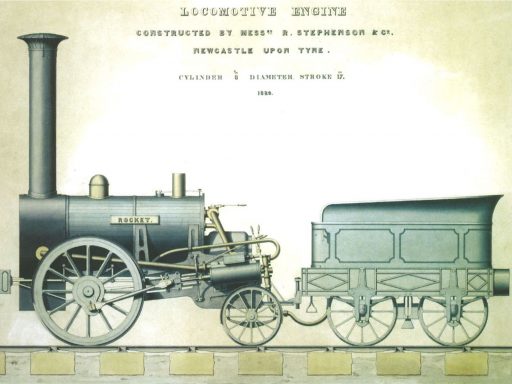
Michael Bailey, author of Rocket: A history of a pioneering locomotive, talks about the engineering that set Rocket apart from its rivals.

If you’ve been to see our new exhibition Electricity: The spark of life, you may well have seen a video featuring a frog suspended in space. And you may well be wondering what artist John Gerrard was thinking when he created his levitating frog. Let us explain.

Since announcing Manchester Science Festival headliner You Have Been Upgraded, we’ve become fascinated with the transhumanist movement and the concepts of cyborgs, biohacking and bioengineering.
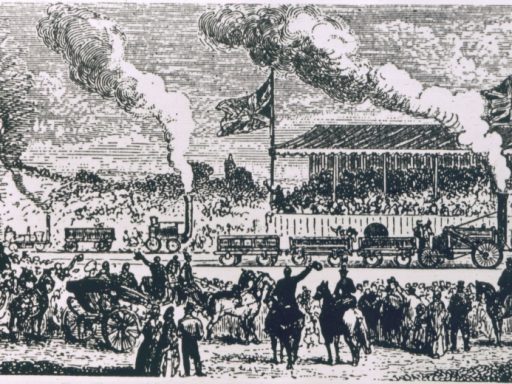
To celebrate the Rainhill Trials, let’s take a look at how the names of the engines captured the spirit of the era, and how what you call something continues to shape how we think of the past and the future.