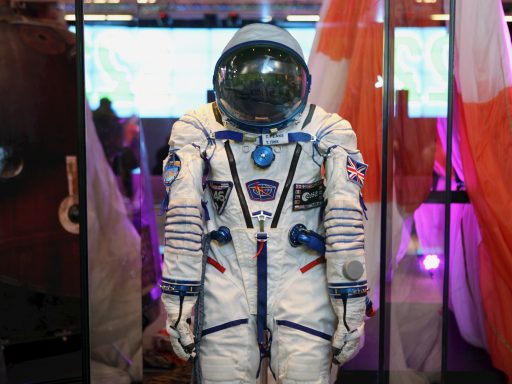
Find out more about Tim Peake’s spacesuit, the Sokol KV-2 emergency spacesuit worn by the British ESA astronaut as he traveled into space.
In this section, you’ll get a glimpse behind the scenes of the museum—from a day in the life of a volunteer and team building exercises, to the logistics of decanting our galleries or putting on a late event.
Find out more about Tim Peake’s spacesuit, the Sokol KV-2 emergency spacesuit worn by the British ESA astronaut as he traveled into space.
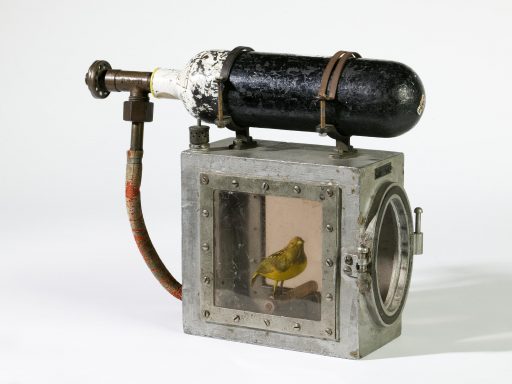
Have you ever wondered what our curators’ favourite collection items are? Here, assistant curator Lewis takes us through his rather surprising pick.

In this guest post, Troy Wood tells us how he came up with his award-winning badge that Tim Peake wore on his suit as he rocketed into space in 2015.
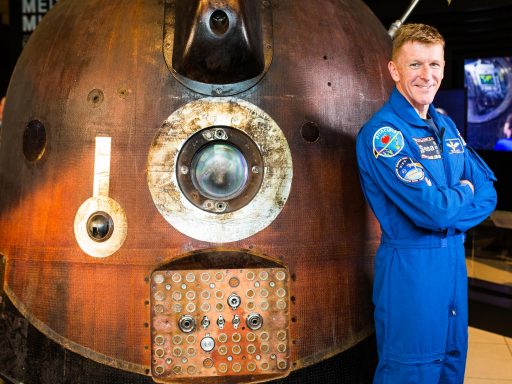
Welcome to Tim Peake’s Spacecraft lands at MSI – Live! You’ll be able to follow our progress today right here on the blog—look out for behind-the-scenes photos, social media updates from the team, reports from the press and maybe even a surprise or two…
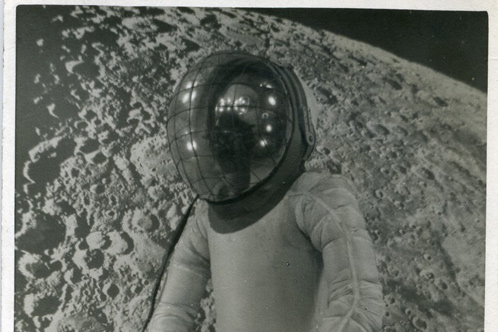
A full 10 years before Neil Armstrong made his first steps on the moon, a company based right here in Manchester was making space suits. That company was P. Frankenstein and Sons Ltd.
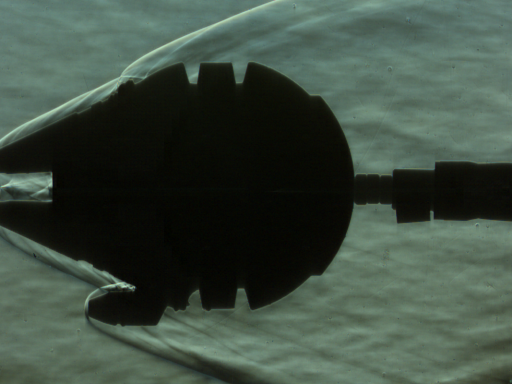
In part two of our series on re-entry, we ask aerospace engineering researcher Tom Fisher to consider some more unusual hypersonic objects.
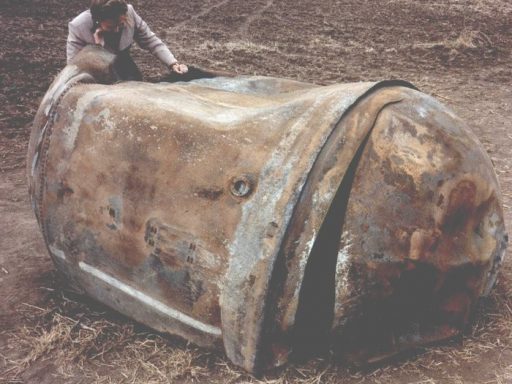
The Soyuz capsule that brought Tim Peake back from space will be on display at the Museum between 10 March and 13 May 2018. But how dangerous was the journey home? In part one of a two-part series we look at the science of returning from space.
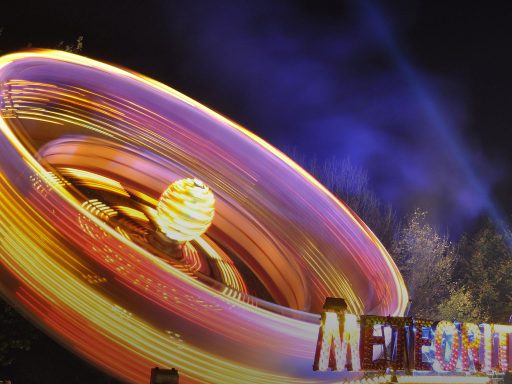
Have you ever wondered about the scientific principles on display at funfairs? Well, the Victorian Fairground at the museum this February half term has inspired our Web Manager Mike to dust off his old science textbooks to try and explain them.
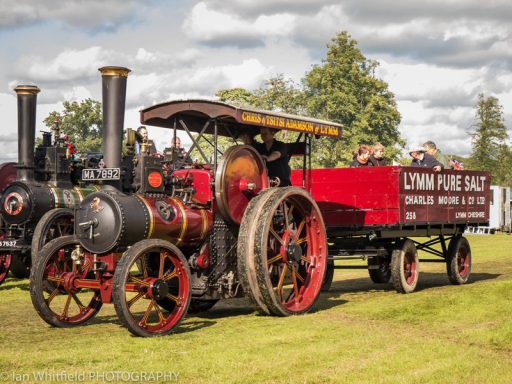
What is it about steam traction engines that persuades so many to put so much time, effort and money into keeping them alive?
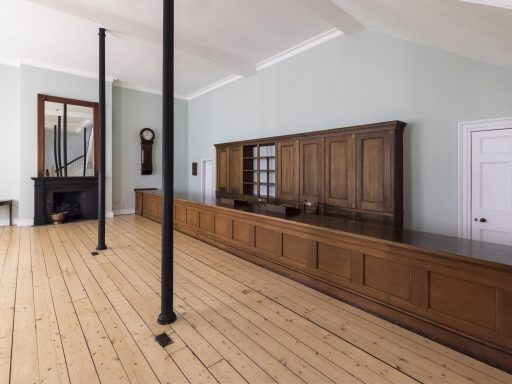
Long before this museum stood on the site of Liverpool Road Station there was an “unofficial” museum here displaying some railway treasures.
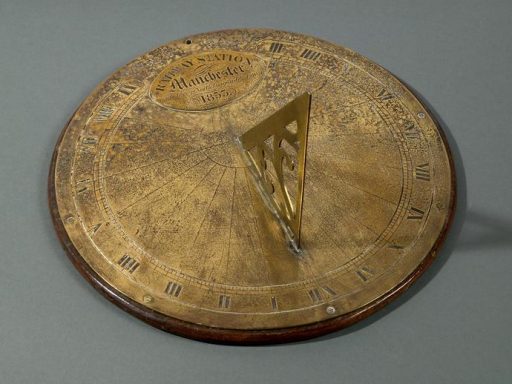
We have been working with the BBC to tell the stories of how humans built their great civilisations—using some very modern technology.
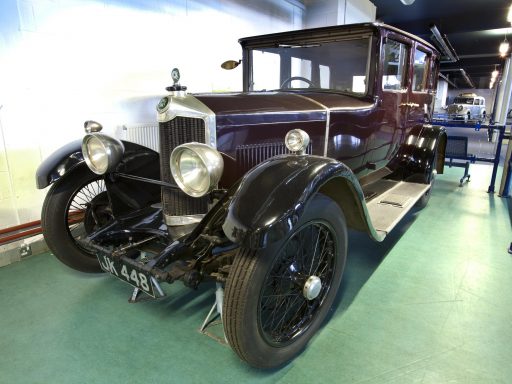
In 1914, Manchester was one of the biggest motor manufacturing cities in the world. Two decades later cars had become part of our everyday lives—but Manchester’s dominance had faded.