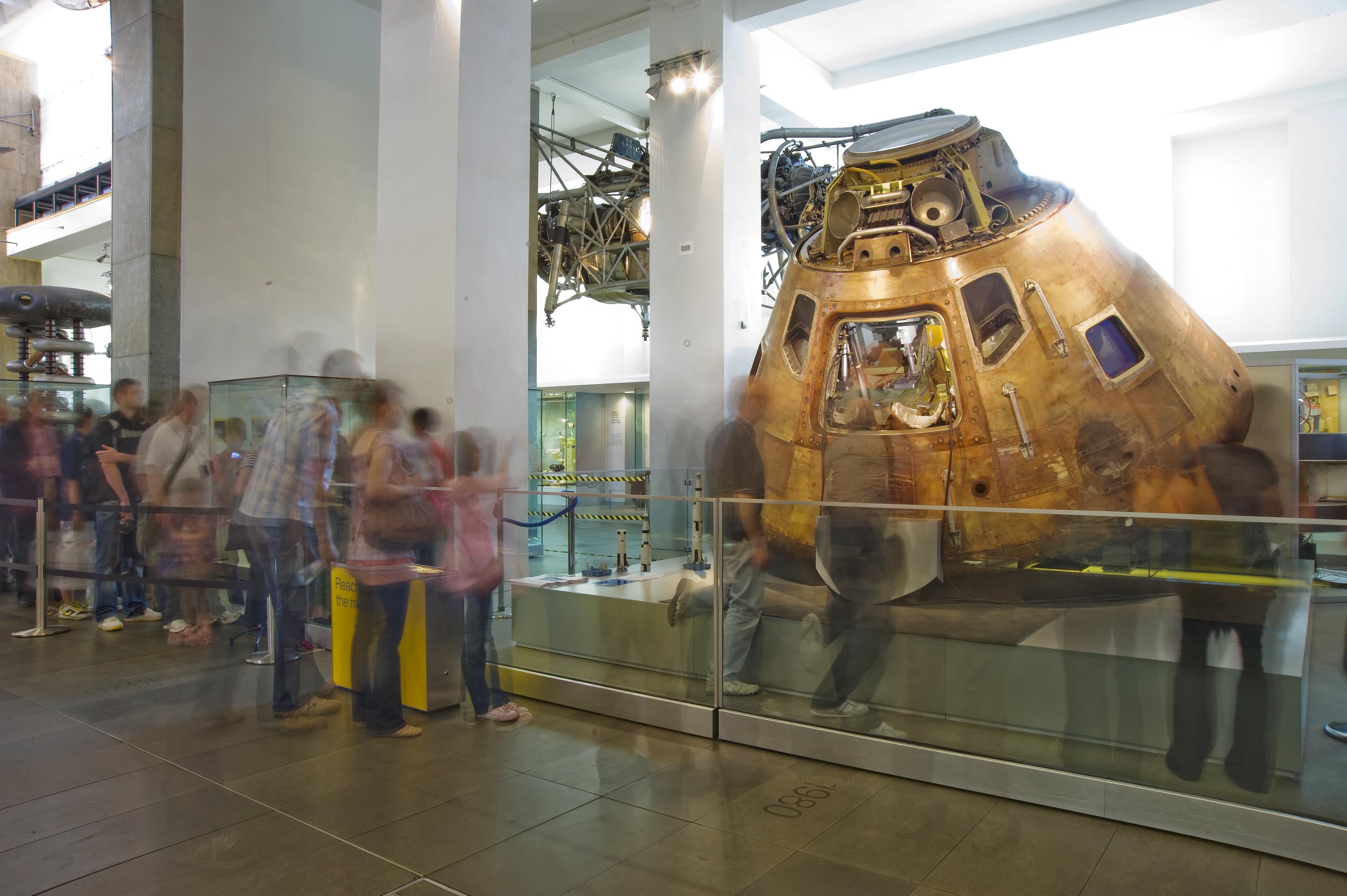
The Soyuz capsule that brought Tim Peake back from space will be on display at the Museum between 10 March and 13 May 2018. But how dangerous was the journey home? In part one of a two-part series we look at the science of returning from space.
To find out more about our guest authors, you can find their biographies at the end of each post.
The Soyuz capsule that brought Tim Peake back from space will be on display at the Museum between 10 March and 13 May 2018. But how dangerous was the journey home? In part one of a two-part series we look at the science of returning from space.
To celebrate 2018 as being the Chinese Year of the Dog, ‘Barketing’ Assistant Shannon picked out four of her most paw-esome dog related items in the museum’s collection.
What is it about steam traction engines that persuades so many to put so much time, effort and money into keeping them alive?
Long before this museum stood on the site of Liverpool Road Station there was an “unofficial” museum here displaying some railway treasures.
In 1914, Manchester was one of the biggest motor manufacturing cities in the world. Two decades later cars had become part of our everyday lives—but Manchester’s dominance had faded.
In this guest post, volunteer Joe Roberts takes us through the production process of one of the headline activities at Manchester Science Festival, Tape.
Textile production and computing—two of Manchester’s most important historic industries—are brought together in the Jacquard loom, on display in our Textiles Gallery.
Robots and artificially intelligent beings in films are often used as a way to explore what makes us uniquely human.

Did you know there’s a Hollywood star who also has a secret life as a scientist?
Space journalist Sarah Cruddas explores the past and future of our journeys to the stars.
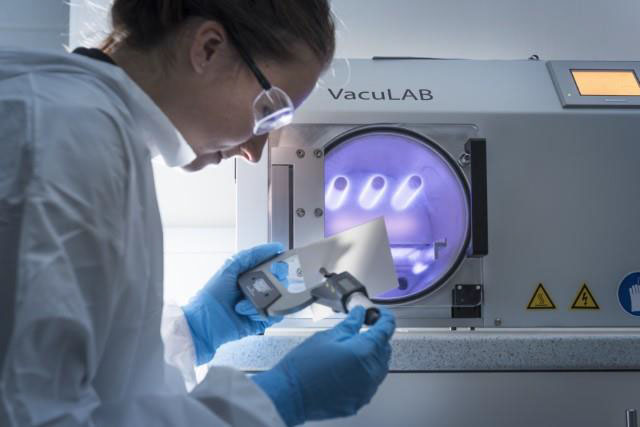
To celebrate International Women’s Day, we invited space journalist Sarah Cruddas to interview Patiya Pasakon, a researcher with our Wonder Materials sponsors Haydale, about her life as a woman working in science, technology, engineering and mathematics (STEM).
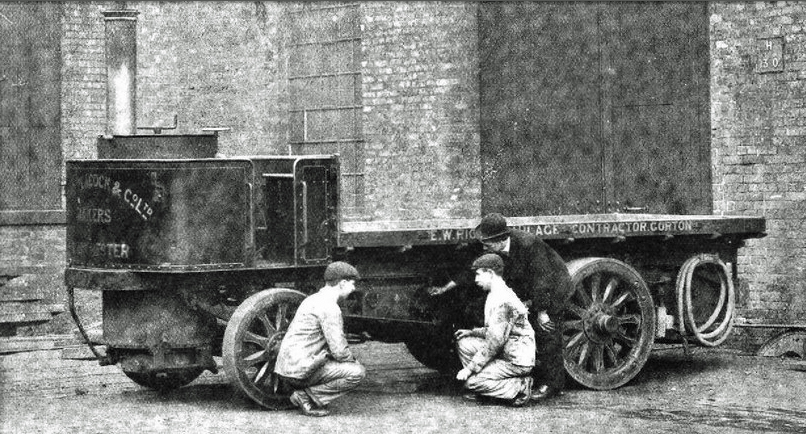
Beyer, Peacock and Co. was well-known for manufacturing steam locomotives, but also considered making motor cars, as our archives reveal.